



Same engineers
Continuity, not a rotating support desk.
Your product is live. Now it needs someone who knows it, watches it, and fixes what breaks, without you having to think about it every day. That's what this retainer is for.
Continuity, not a rotating support desk.
A committed block of hours, not a per-ticket bill.
Ones we built, and ones we didn't.
Keeping client systems running for years.
Maintenance is more than waiting for something to break. It's the ongoing work that keeps a system healthy, secure, and able to grow.
Issues reported by your team or your users, triaged and resolved without waiting for a new project to bundle them into.
Framework upgrades, library patches, and known vulnerabilities addressed before they become an incident.
Keeping an eye on error rates, performance, and infrastructure health so problems are caught before your users report them.
The steady stream of small improvements and requests that don't justify a full project, but still matter to the people using your product.
Server and cloud configuration, backups, deployment pipelines, all kept in working order, not just the application code.
A second opinion when you're weighing a new feature, a vendor, or a scaling decision, from a team that already knows your system.
The biggest cost of maintenance isn't the hours, it's re-explaining your system to someone new every time. We're built to avoid that.

Whoever knows your codebase today is who's still there in a year. No rotating support desk, no re-onboarding a stranger every quarter.
If we ran the original build, ramp-up is immediate. If another team built it, we start with an audit so we're not guessing at your architecture.
What we learn about your system is written down, not kept in one engineer's head, so continuity survives even if someone eventually rotates off.

"Partnering with NUS was the right decision. They took our legacy Backbone.js app, stabilized it with Prerender.io, and optimized costs by migrating to Digital Ocean. They then rewrote our front-end in Next.js, modernizing our stack. NUS is a great strategic partner with strong technical expertise."

Every issue gets triaged by severity, not handled first-in-first-out. A checkout outage doesn't wait behind a cosmetic bug report.
Through the shared Slack or Teams channel, your task board, or a direct message to the engineer who knows the system best.
Something taking down production gets picked up immediately. Lower-severity issues are scheduled into the ongoing retainer work.
The same review and testing standard as any other engagement, even for an urgent fix. Speed doesn't mean skipping the checks.
A short note on the root cause, especially for anything serious, so the same issue is less likely to happen twice.
You commit to a minimum number of hours each month. We apply them wherever the system needs attention that month, bug fixes, updates, monitoring, or small features.
A fixed, predictable monthly cost, agreed upfront.
Hours flex across bug fixes, updates, and small features as priorities shift.
Need more than your committed hours in a given month? Extra hours are billed at your agreed hourly rate and added to the next invoice, work doesn't stop while we wait on a new contract.
Unused hours handled according to what's agreed in your contract.
Scales up when you need more attention, back down when things are quiet.
No long lock-in: standard notice period to adjust or end the retainer.
No two months are identical, but retainer hours tend to break down roughly like this.
Issues raised by your team or your users.
Dependency patches, security, uptime checks.
The steady stream of improvements.
Prioritization and the monthly summary.
A few maintenance and retainer engagements,
spanning products we built and products we inherited.
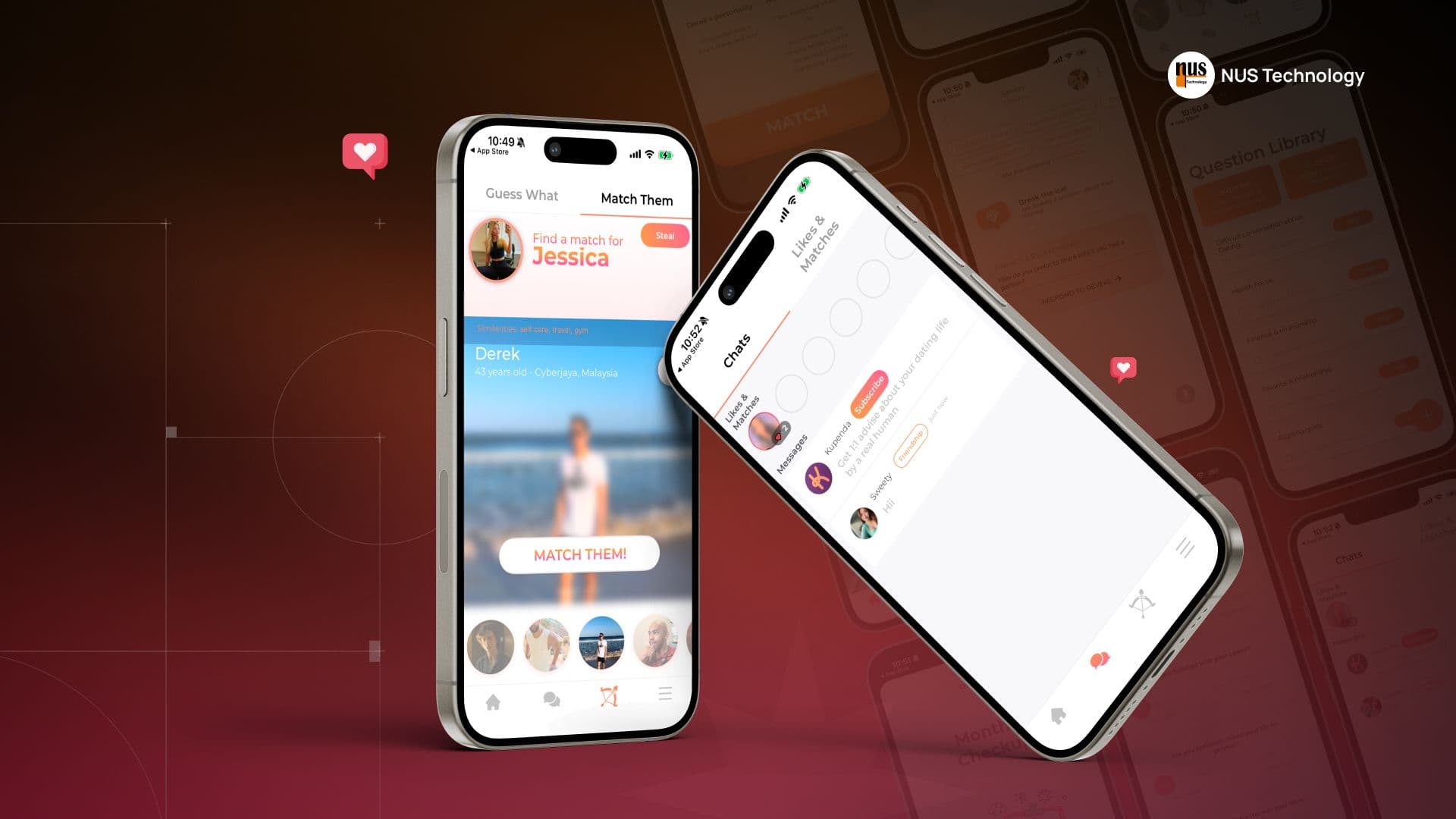
A struggling dating app became a stable, scalable social platform. Custom Firebase chat reduced infrastructure costs by 60%, accelerated releases threefold, cut critical production bugs by 45%, and delivered 99.5% messaging uptime across iOS and Android.

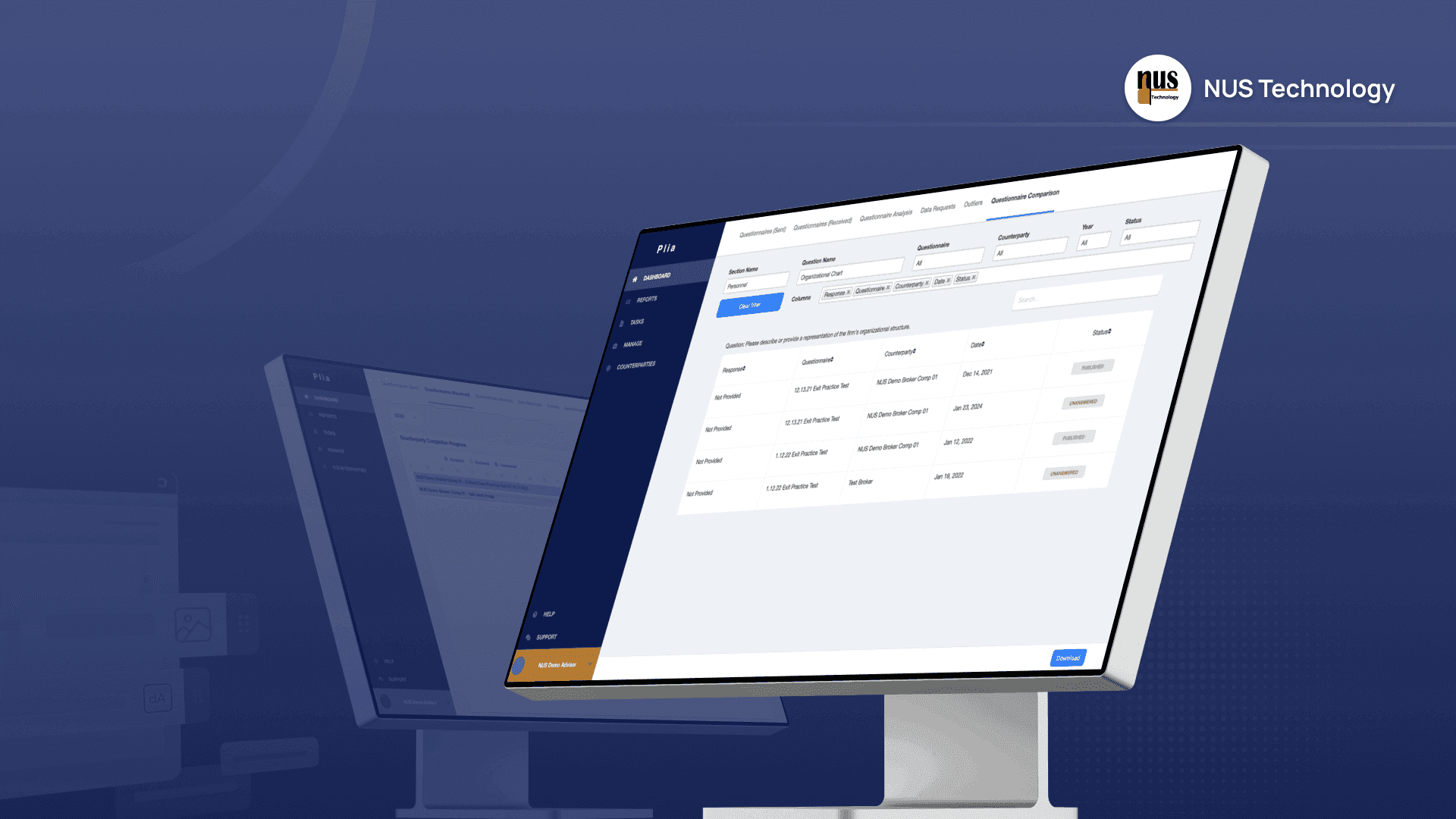
A complex legacy FinTech platform became faster, safer, and easier to maintain. Plia now supports compliance workflows and enterprise SSO with 30% faster APIs, 40% quicker bug fixes, 99.9% uptime, and zero data incidents.
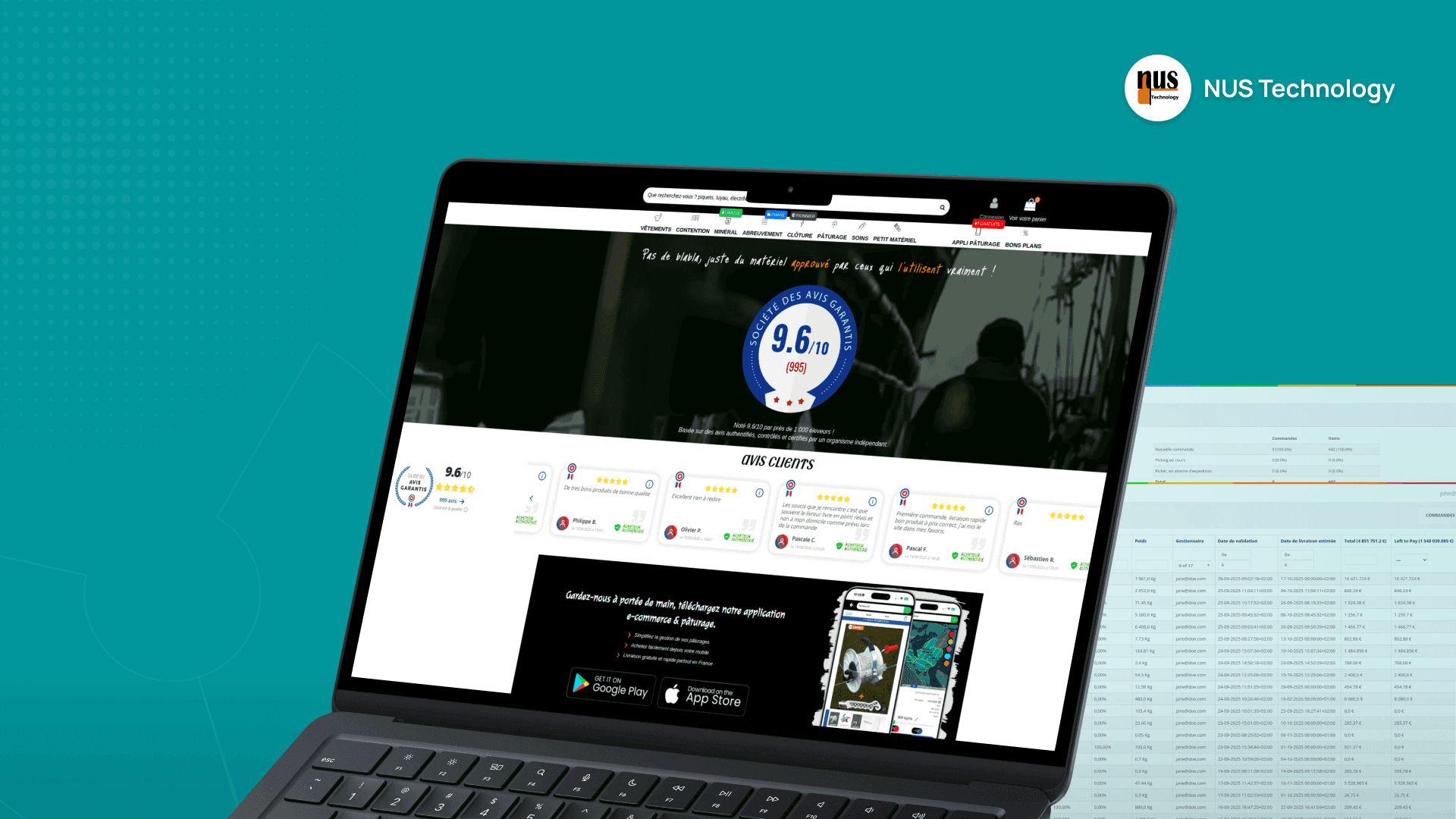
From fragmented systems to connected commerce, this agricultural ecommerce platform unifies online sales, warehouse management, and logistics, achieving 97% inventory accuracy, 35% faster picking, 55% fewer delayed shipments, and 90% fewer order sync errors.


Notes on the decisions behind building and maintaining real software.
 September 17, 20266 min read
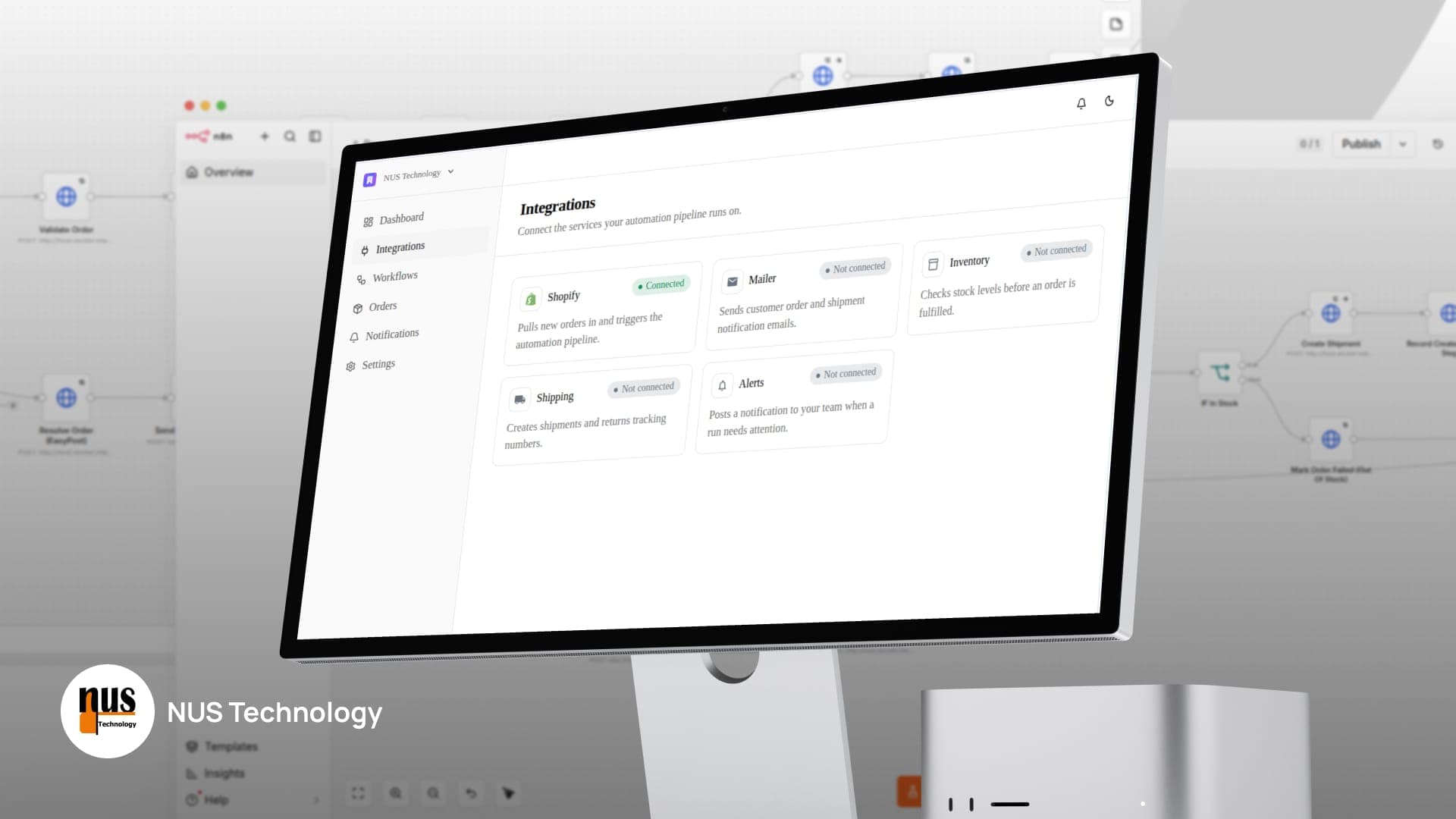
See how we built n8n eCommerce automation into a multi-tenant SaaS: Shopify orders, Zoho stock checks, EasyPost shipping, and the architecture behind it.
 September 2, 20264 min read
Automate document compliance: How we paired AI heuristics with OOXML patching & PDF tree parsing to tag DOCX, PPTX & PDF with zero layout damage.
 August 31, 20265 min read
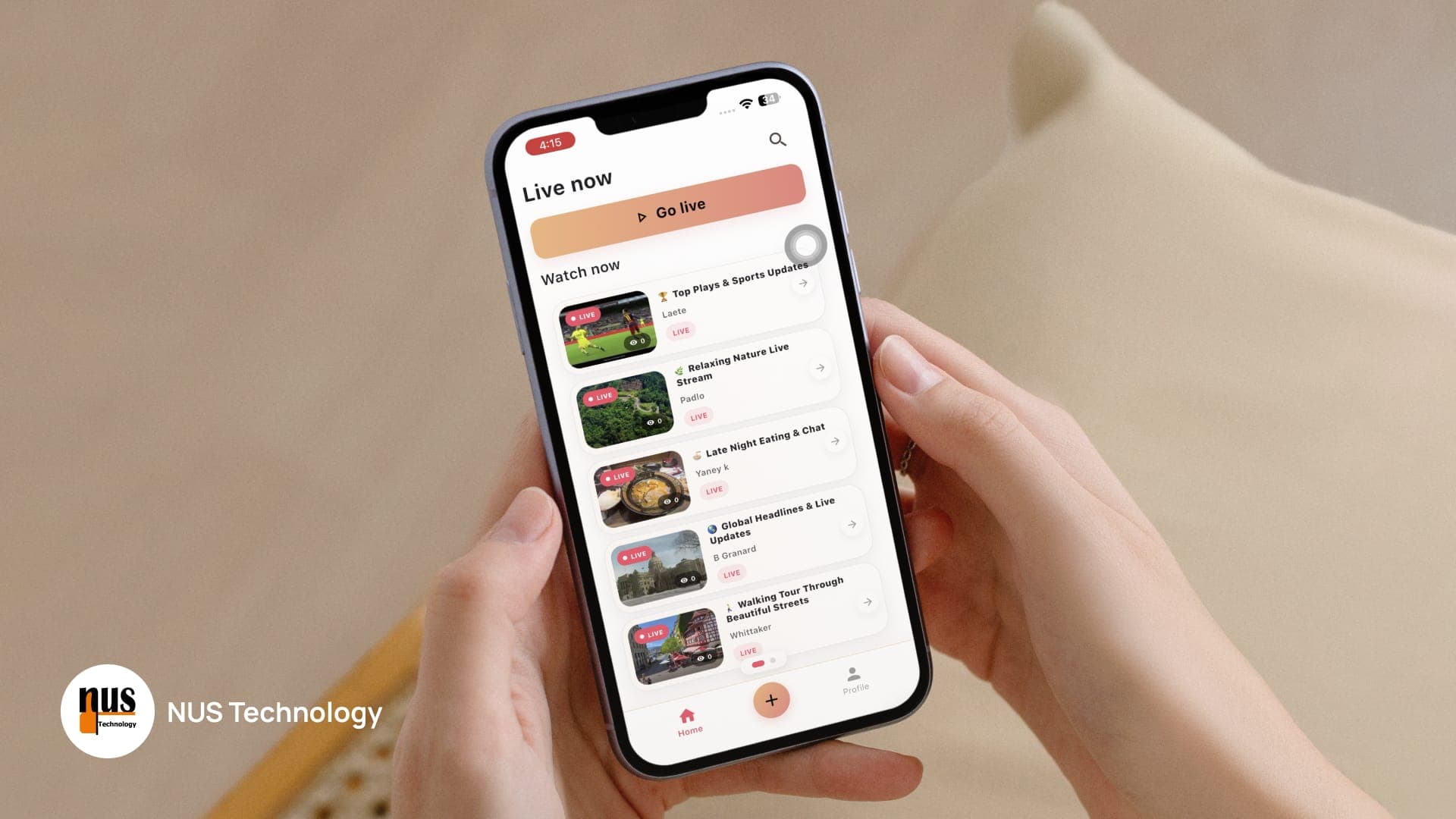
Zuzu is an open source livestreaming app built around connection failure: separate host and viewer lifecycles, heartbeat offline detection, and stream recovery. Full engineering breakdown.
Tell us what you're running and how it's currently supported.
Most conversations start with a 30-minute call.