Whatever tool you already use
We default to Slack because most clients already live there, but we're just as comfortable in Microsoft Teams or email. We adapt to your stack, not the other way around.
 Slack
Slack Teams
Teams EmailYour tool of choice
How we communicate, how we handle the distance, how a project actually runs from idea to production, who owns what, and how ongoing work is structured. No surprises, no fine print.
You should never have to wonder what's happening on your project, or feel like you're talking to a translator instead of the person doing the work.
We default to Slack because most clients already live there, but we're just as comfortable in Microsoft Teams or email. We adapt to your stack, not the other way around.
SlackTeamsEmailYour tool of choiceAlready run on Jira, Linear, Asana, or Trello? We work directly inside it. Don't have one set up, or want us to run it? We'll set up and manage the board for you as part of the engagement.
 Jira
Jira Linear
 Asana
Asana TrelloWe set it up for you
No middleman by default. The developers building your product are in your channel, not hidden behind a single account manager.
Ask questions directly. If you want to talk architecture with the engineer who wrote it, you can, without routing it through anyone.
A dedicated PM if you'd rather not manage day-to-day. We can assign a project manager to run the board, coordinate the team, and report to you directly, so you get outcomes without having to run the process yourself.
We're based in Ho Chi Minh City (GMT+7). Most of our clients are in North America or Europe, so we've built our rhythm around bridging that gap rather than ignoring it.
A short, concrete report on what shipped, what's in progress, and what's blocked, so you're never waiting on a meeting to know where things stand.
One recurring meeting to review progress, re-prioritize, and surface anything that needs a real conversation instead of a message thread.
For kickoffs, demos, or urgent issues, we'll schedule in our evening to land in your morning or afternoon. A handful of overlap hours is usually all it takes.
Ho Chi Minh City base.
Work doesn't stop when you log off.
Available for real-time calls on request.
Times shown on our 8am–5:15pm workday, GMT+7.
The same starting point for every build, whether it's a six-week MVP or a year-long platform. Where the process forks is how it's priced. Nothing skipped, nothing hidden.
We assign a Business Analyst to work closely with you and clarify requirements: your raw idea or spec, whatever shape it's in, turned into a written scope covering what you're trying to solve, for whom, and what success looks like.
We break the scope into a real architecture: data model, integrations, infrastructure, and the technical risks worth flagging. Wireframes and UI design are produced where the project calls for it, so estimates and mockups are grounded in the same understanding of the product.
Once requirements are clear, we agree on a pricing model based on how you want to work with us: a fixed cost with milestones if the scope is well-defined, or hourly billing on an agile process if requirements are expected to evolve.
From here, the process depends on the pricing model you chose. Both tracks end the same way: a live product moving into warranty and ongoing support.

We estimate everything up front and implement against your approval, step by step.
We prepare a WBS and our team estimates the time and cost for each item in it.
You review the estimated time and cost before anything is scheduled.
Once approved, we prepare a Release Schedule showing milestones, the features tied to each, and the associated payment.
We build and release on each milestone, with QA before every release. When all milestones are complete, the project moves into warranty and maintenance.
Scope changes: anything outside the approved WBS is handled as a change request, estimated and approved the same way before it's added to the schedule.
Best when requirements are expected to evolve. We build in short cycles and adjust based on real feedback.
We agree on team size, rate, and the priorities for the first sprint, then start implementation in sprints, usually two weeks each.
Features are released to you for feedback as soon as they're ready, rather than held until the end of the sprint.
Feedback is addressed as it comes in. Once a feature passes QA, it's released to production.
The cycle repeats sprint over sprint, with priorities re-evaluated as your requirements evolve.
Ending the engagement: there's no fixed finish line by design; most clients keep iterating or shift into a dedicated retainer once the product stabilizes.
Launch isn't the finish line. We stay available to fix what real usage surfaces, and most clients move into an ongoing retainer once things are stable.
(Fixed-cost builds include a free bug-fixing period, from a few weeks to a few months depending on scope)
From day one, everything we build lives in accounts you control. We're the team working on your systems, not the owner of them.
Code is pushed to a repository under your organization from the first commit.
Deployments run on your cloud accounts (AWS, GCP, Azure, or your host of choice).
We help you create any account or resource needed, using credentials you grant and control.
Access can be revoked by you at any time, for any reason.
No vendor lock-in: another team could pick up the codebase the day we leave.
All API keys, domains, and third-party service accounts stay registered to you.
We work on fixed price, time & materials, or dedicated team terms, depending on how well-defined your scope is and how involved you want to be day to day.
A set scope, a set quote. Best when requirements are clear upfront, like most new builds and rescue work. Includes a free bug-fixing period after launch.
Billed for actual hours worked. Best when scope is still evolving, or when you want to adjust priorities as the project moves.
A committed block of monthly hours or a full team assigned to you. Best for ongoing maintenance, team augmentation, or long-running product work.


Notes on the decisions behind building and maintaining real software.
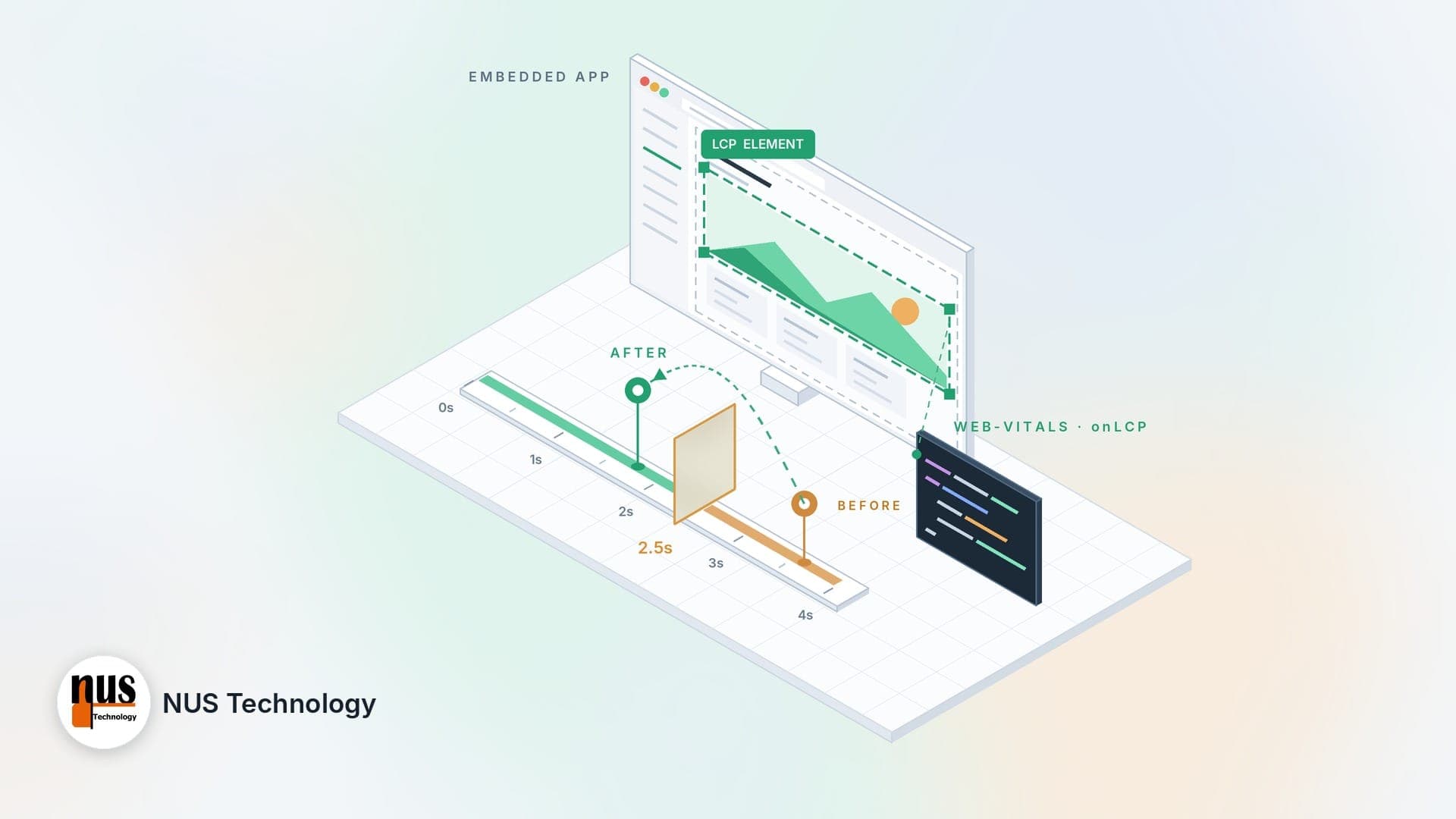
 October 7, 20266 min read
Shopify app feels fast but fails the 2.5s LCP check? Learn how to find the exact LCP element with web-vitals and fix it to earn Built for Shopify.
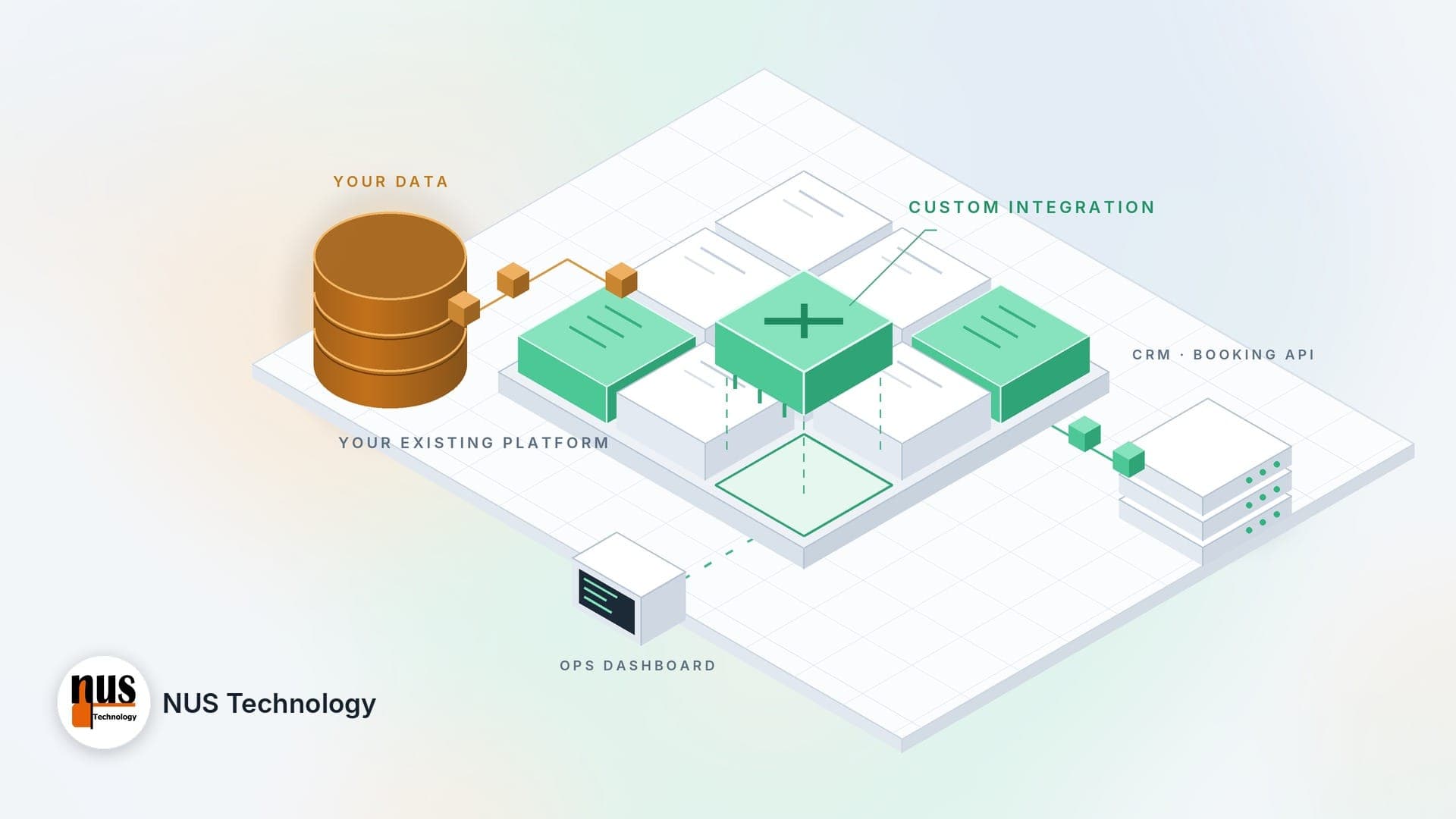 October 2, 20268 min read
Your platform handles most of the work. Learn how extending existing software with custom integrations closes the gaps, with a real Mindbody example.
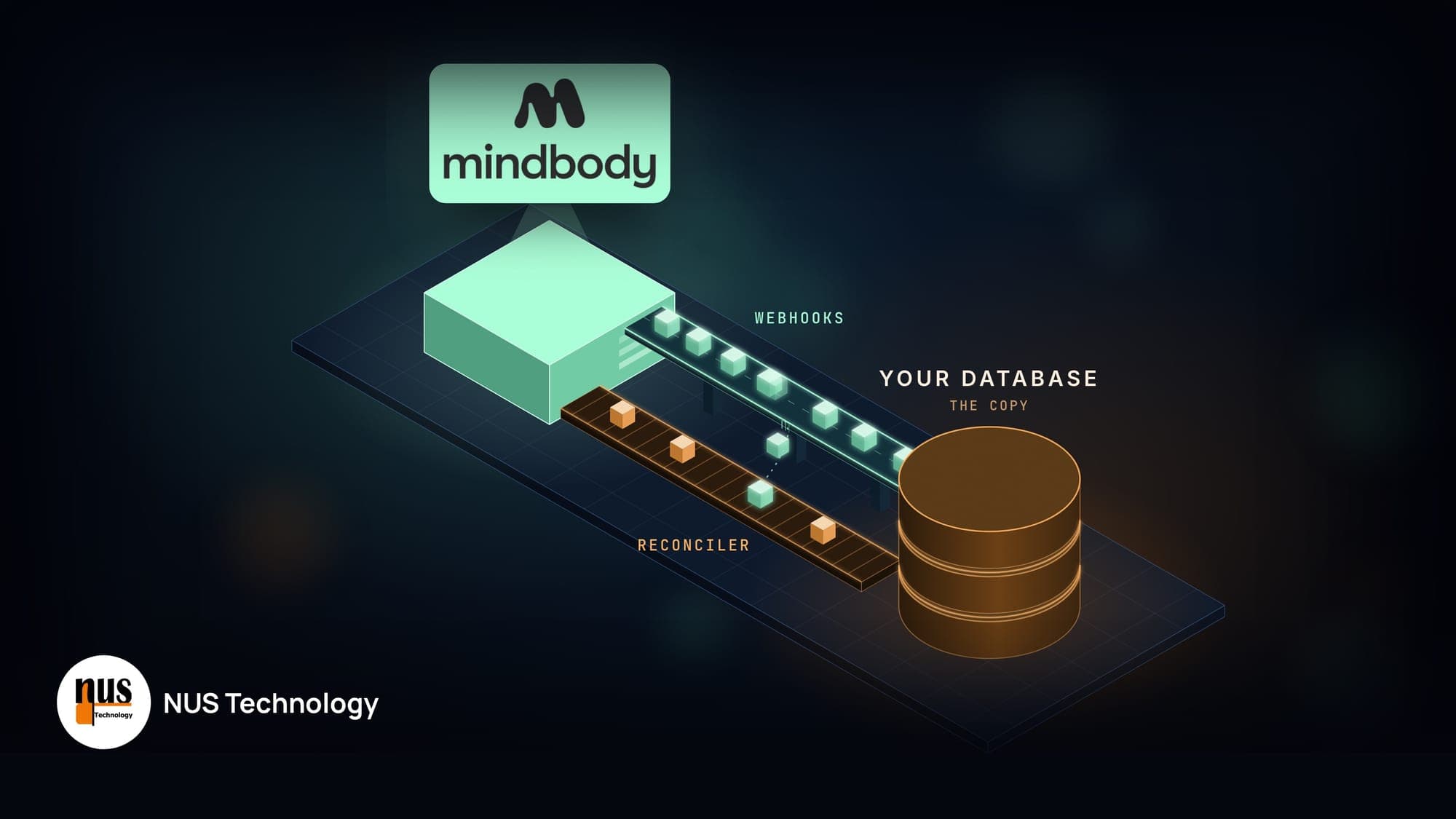 September 25, 20265 min read
Mindbody webhooks arrive twice and out of order? Here is the two-path sync architecture we use to keep a local database honest in production.
Tell us where things stand today. Most conversations start with a 30-minute call, and no proposal is required to talk.