Healthcare Operations
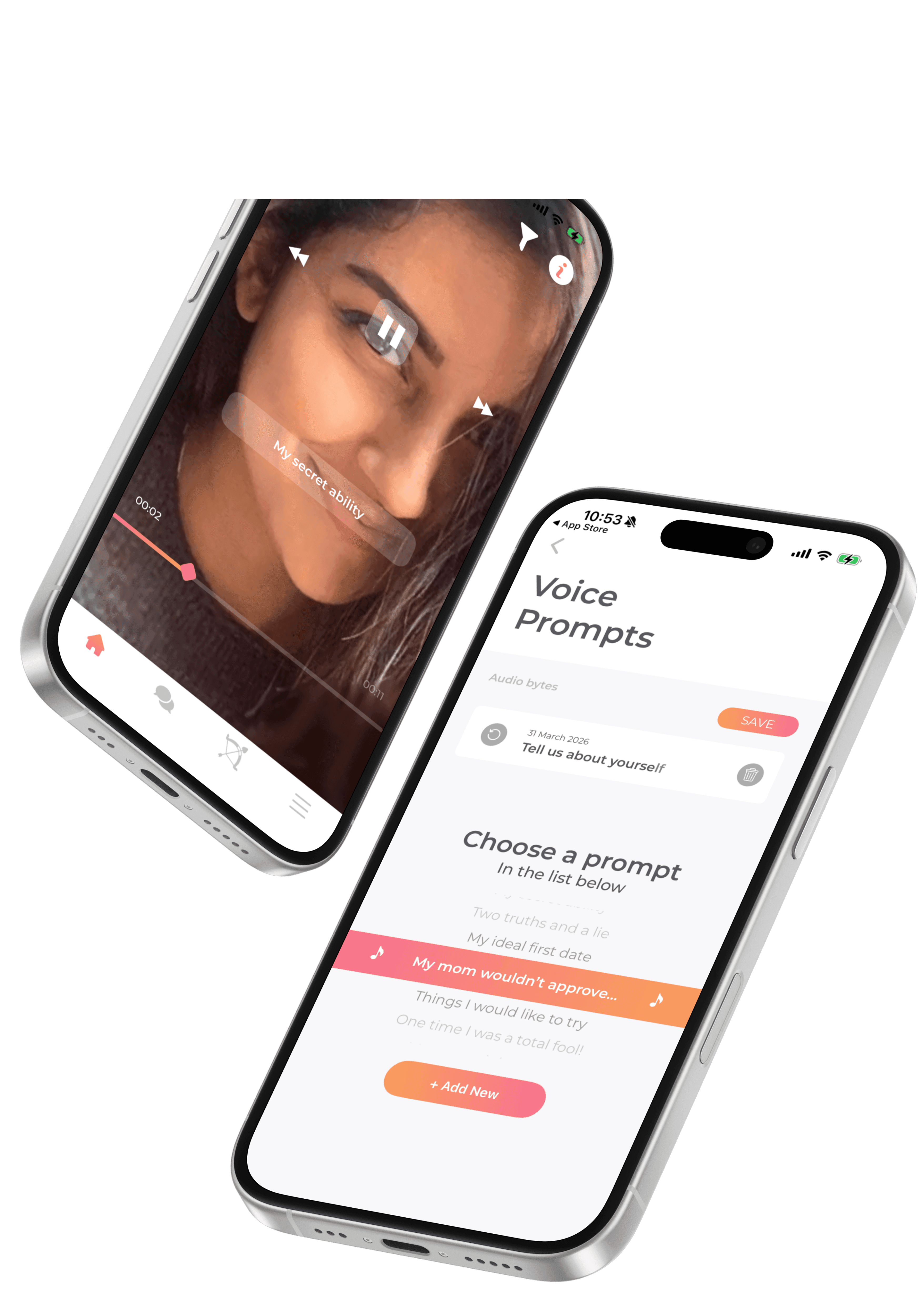
The Client operates a fast-growing dating application with an active global user base across the App Store and Google Play. As the product gained traction, its mobile application needed to evolve to support growing usage, real-time interactions, and more sophisticated product features.
However, the existing React Native codebase had accumulated technical debt, while the growing cost of third-party services was putting pressure on the business. In need of a more sustainable technical foundation, the founder turned to NUS Technology to take ownership of the existing application.
What began as a takeover and stabilization engagement evolved into a long-term engineering partnership. NUS became the engineering team behind the app's continued development across iOS and Android, helping the product scale without allowing technical complexity and operating costs to grow out of control.

Name
Dating Application (Confidential)
Services
Take Over & Stabilize, Run & Maintain, Extend & Integrate
Backend
Firebase (Firestore, Functions, Storage, FCM)
Database
Firestore (Real-time)
Frontend
React Native
Infrastructure
Firebase, Google Cloud
Industry
Social Networking / Dating App (B2C)
Market
Global (iOS & Android)
Integration
RevenueCat, Amplitude, Branch, Sendbird (migrated to Firebase), Notifee, HealthKit
 THE CHALLENGES
The application had gained meaningful traction, but its technical foundation was struggling to keep pace.
Inherited Technical Debt: The existing React Native codebase had accumulated outdated dependencies, inconsistent development patterns, and fragile integrations. Every new feature release carried regression risks.
Escalating Third-Party Costs: Sendbird powered the app's real-time chat functionality, but its usage-based pricing increased significantly as the user base grew, making the service increasingly expensive to maintain.
Fragmented Tooling: Analytics, notifications, in-app purchases, deep linking, and remote configuration were handled by separate services with limited cohesion, creating a complex stack that was difficult to troubleshoot and maintain.
The founder needed more than additional development resources. They needed an engineering partner who could take ownership of the existing system, resolve its immediate issues, and build a more sustainable foundation for growth without disrupting the live user experience.
 THE SOLUTION
NUS Technology assumed responsibility for the existing mobile application, approaching the engagement as a long-term engineering partnership rather than a series of isolated development tasks. The team first stabilized the inherited codebase, then addressed the platform's growing technical and operational constraints through a custom chat infrastructure and a more cohesive integration ecosystem.
NUS began with a comprehensive audit of the React Native application, identifying critical issues, performance bottlenecks, crash-prone modules, and dependency conflicts.
The team worked through the inherited technical debt methodically, refactoring fragile components and resolving underlying issues without breaking existing features.
The goal was to bring the application to a stable, releasable state, creating a foundation where new features could be developed and deployed with greater confidence.
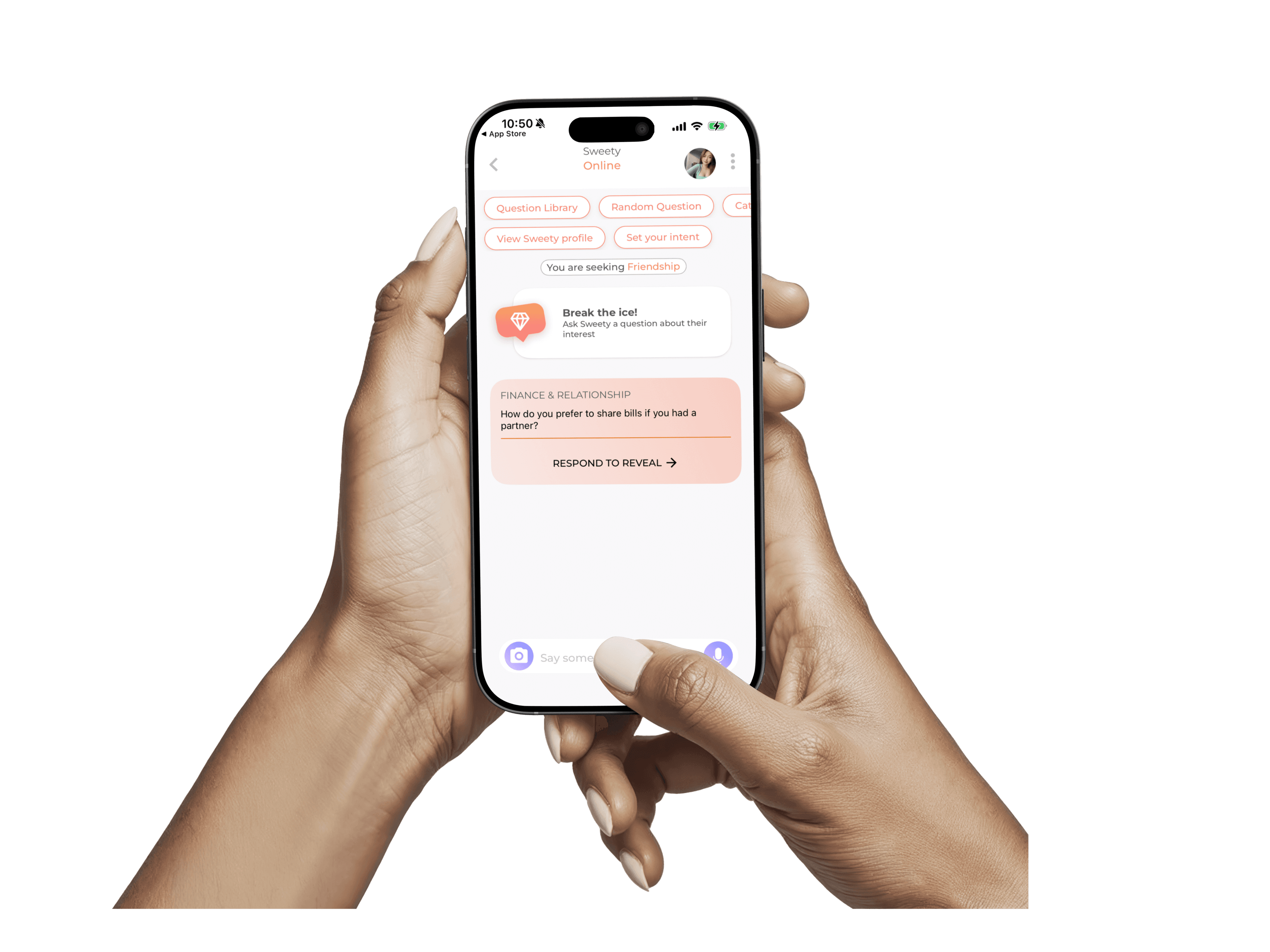
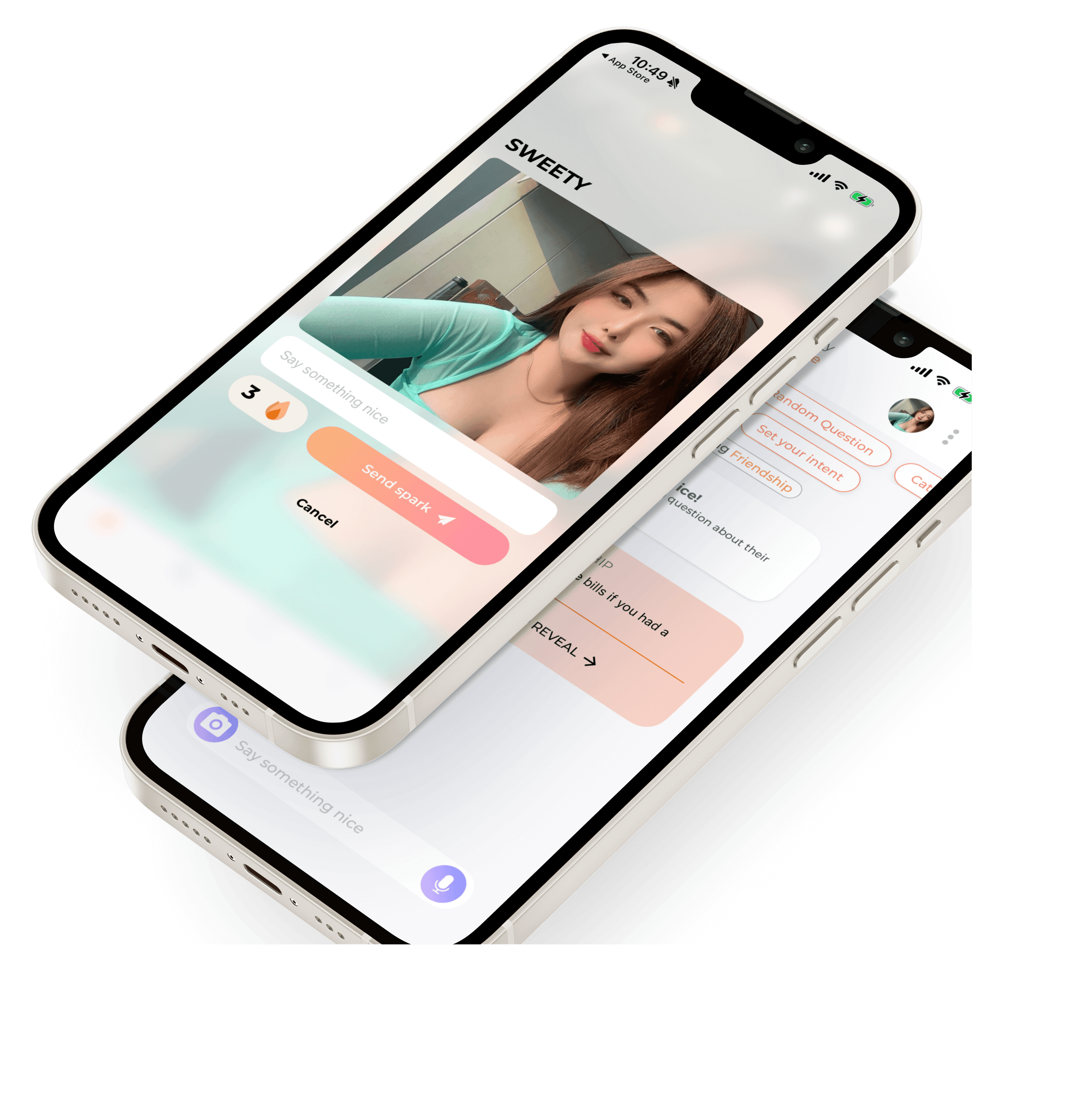
One of the most significant initiatives was replacing Sendbird, the third-party service powering the application's real-time messaging.
As usage-based costs continued to increase, NUS designed and built a custom chat engine using Firebase Firestore for real-time data storage, Firebase Functions for backend logic, and Firebase Cloud Messaging (FCM) for push notifications.
The new system was designed to preserve the essential capabilities users relied on while giving the client greater ownership and flexibility over its messaging infrastructure.
By moving away from a costly third-party dependency, the team also gained more control over how the chat experience could be customized and expanded as the product evolved.
Beyond stabilizing the application and replacing Sendbird, NUS continued to maintain and coordinate the supporting services that power the app's daily operations.
NUS maintained the RevenueCat integration to manage purchases and subscriptions across the App Store and Google Play, including complex entitlement logic and purchase restoration.
Amplitude provides behavioral analytics and conversion tracking, while Branch handles deep linking and install attribution, helping the team understand user activity and measure how users discover and enter the application.
NUS integrated Firebase Remote Config for feature flagging and configuration changes without requiring app store updates. Notifee and FCM support cross-platform notifications, including grouped notifications, custom sounds, and interactive actions.
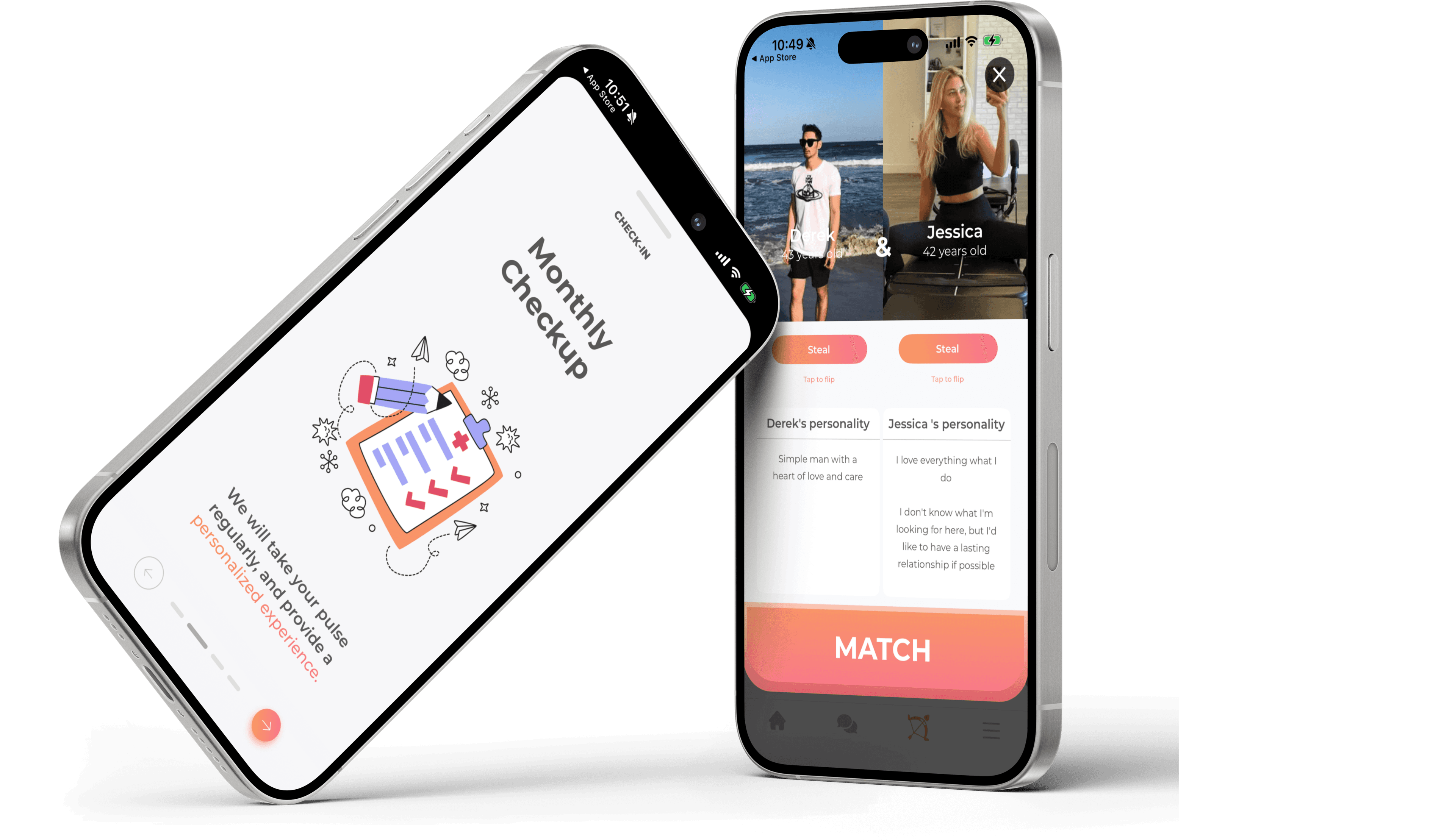
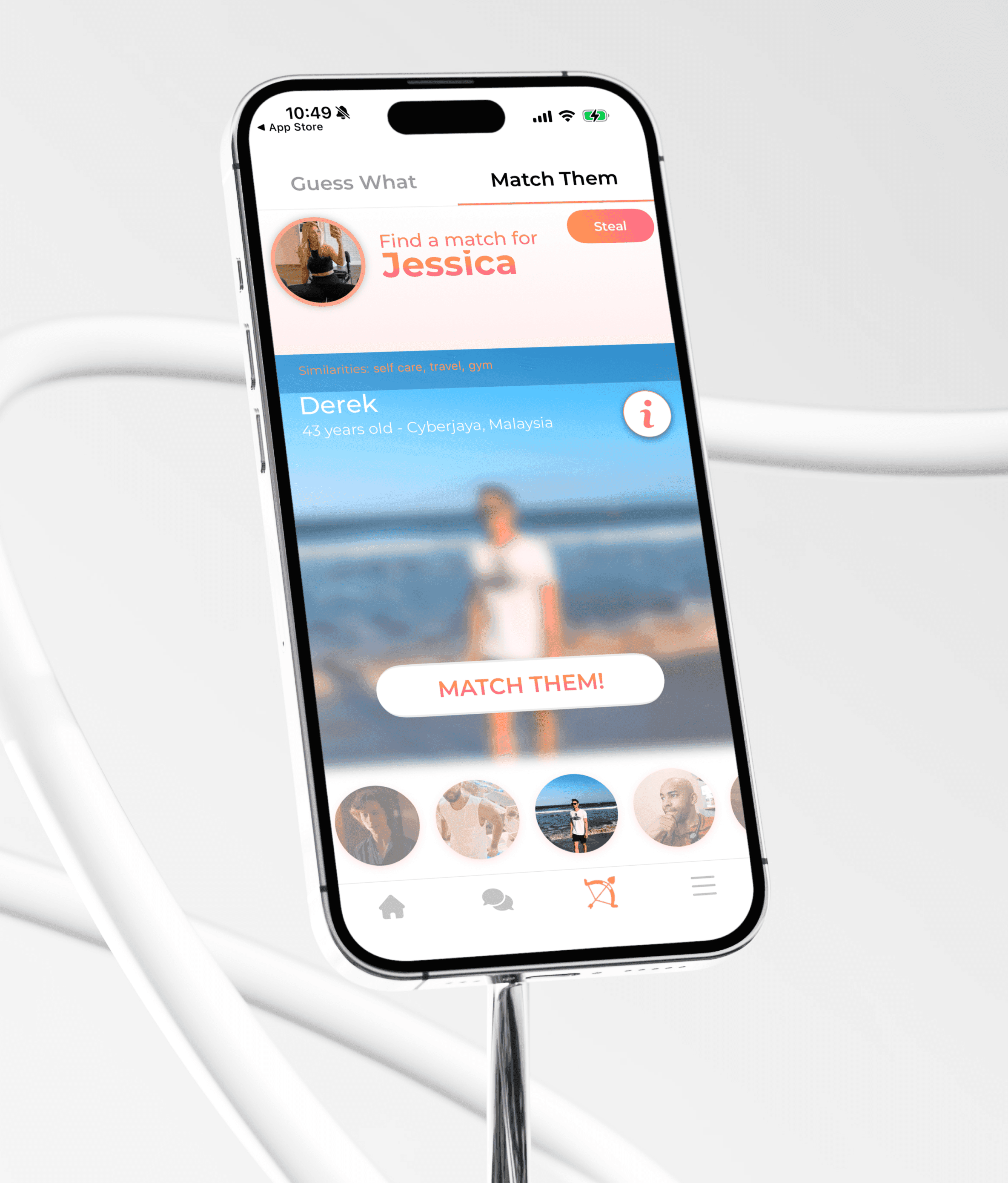
Dating platforms require specialized interactions, from profile discovery and matching to real-time messaging, media sharing, and privacy controls.
Rather than forcing these workflows into a generic app architecture, NUS tailored the application to support these specific requirements. Shopify's FlashList was used for smoother scrolling through profile feeds, while Redux Toolkit provided predictable state management across complex, interconnected screens.
Through ongoing maintenance and continuous technical improvements, NUS keeps the application running while supporting the founder's plans for continued product growth.
 THE RESULT
The transition from a fragile, vendor-dependent codebase to a more unified and maintainable platform delivered measurable improvements across infrastructure costs, application reliability, and development speed.

More Reliable Messaging: The custom Firebase-based chat system maintained 99.5% uptime during its first 6 months, matching the reliability of the third-party solution it replaced.
Lower Infrastructure Costs: Replacing Sendbird reduced monthly messaging infrastructure spending by approximately 60%, giving the business more room to invest in product development and user acquisition.
Faster Product Iteration: Feature delivery time dropped from approximately 4–6 weeks to under 2 weeks following codebase stabilization and architectural improvements.
Fewer Critical Production Issues: The initial codebase audit and refactoring reduced critical bugs reaching production by 45% within the first 3 release cycles, reducing emergency hotfixes and improving application stability.
99.5% Chat Infrastructure Uptime
~60% Lower Messaging Infrastructure Costs
3× Faster Feature Delivery
45% Fewer Critical Issues

NUS Technology didn't arrive as a contractor to close a ticket queue. The team stepped in as a long-term engineering partner, taking ownership of a struggling codebase, making important architectural decisions, and continuing to maintain and evolve the platform as the business grows.
By replacing costly dependencies, improving technical reliability, and supporting ongoing product development, NUS gives the founder greater freedom to focus on growing the product and its community.
For this client, NUS is more than a development team. We are the engineering partner behind the platform's continued growth.
Get the full story in PDF format, including project details, technical insights, and measurable results you can apply to your own business.


Let’s have a strategic conversation about your goals and how we can achieve results like these for your business.