




The Real Cost of a Bug in Production (And Why QA From Day One Saves More Than You Think)
A production bug costs 4-100x more to fix than one caught at design. Here's why investing in QA from day one is the cheapest engineering decision you'll make.
We see launch as just the beginning. Our quality and support services keep your platform secure, performant, and aligned with business goals long after release.
Every team that has shipped a major bug to production shares the same post-mortem finding: quality assurance was treated as a final step rather than a continuous discipline. The test phase was compressed when the deadline moved. The edge cases were 'low priority'. The automated test coverage was lower than anyone realised.
We embed QA engineers in your development team from the first sprint, not the last week. This is not a philosophical preference: it is the most cost-effective way to build software. A bug caught in development costs roughly $25 to fix. The same bug caught in production costs between $500 and $10,000, in engineering time, reputation damage, and lost user trust.
After launch, our maintenance service provides the ongoing infrastructure your platform needs to stay reliable as it grows: proactive monitoring, dependency management, SLA-backed incident response, and a technical partner who knows your system deeply.

Our dedicated Quality Assurance (QA) engineers are integral members of your development team from the very beginning. By collaborating closely with strategists, designers, and developers, they ensure that every feature is built to the highest standards of quality, security, and performance.
Our expert QA analysts meticulously test every aspect of your application from an end-user's perspective, identifying usability issues, edge cases, and functional bugs that automated scripts can miss.

We build a robust suite of automated tests that run continuously, verifying the stability of your application with every new code change. This allows us to catch regressions instantly and deploy new features with confidence and speed.

We simulate high-traffic scenarios to ensure your application is fast, responsive, and ready to scale. We identify and eliminate performance bottlenecks before they can impact your users.

Your business doesn’t stand still, and neither should your technology. Our maintenance and support services are designed to be a proactive partnership, ensuring your platform evolves, adapts, and continues to deliver value.
We provide a dedicated team to handle ongoing feature enhancements, bug fixes, and user support. We offer flexible retainers to provide you with the exact level of support your business needs.
We don't wait for things to break. Our team proactively manages security patches, framework updates, and server maintenance to keep your application secure, healthy, and running on a modern technology stack.
For mission-critical applications, we offer priority support with guaranteed response times. Automated monitoring alerts our on-call engineers, and we guarantee a response within 2 hours during extended business hours (8 AM–10 PM ICT, Mon–Fri).
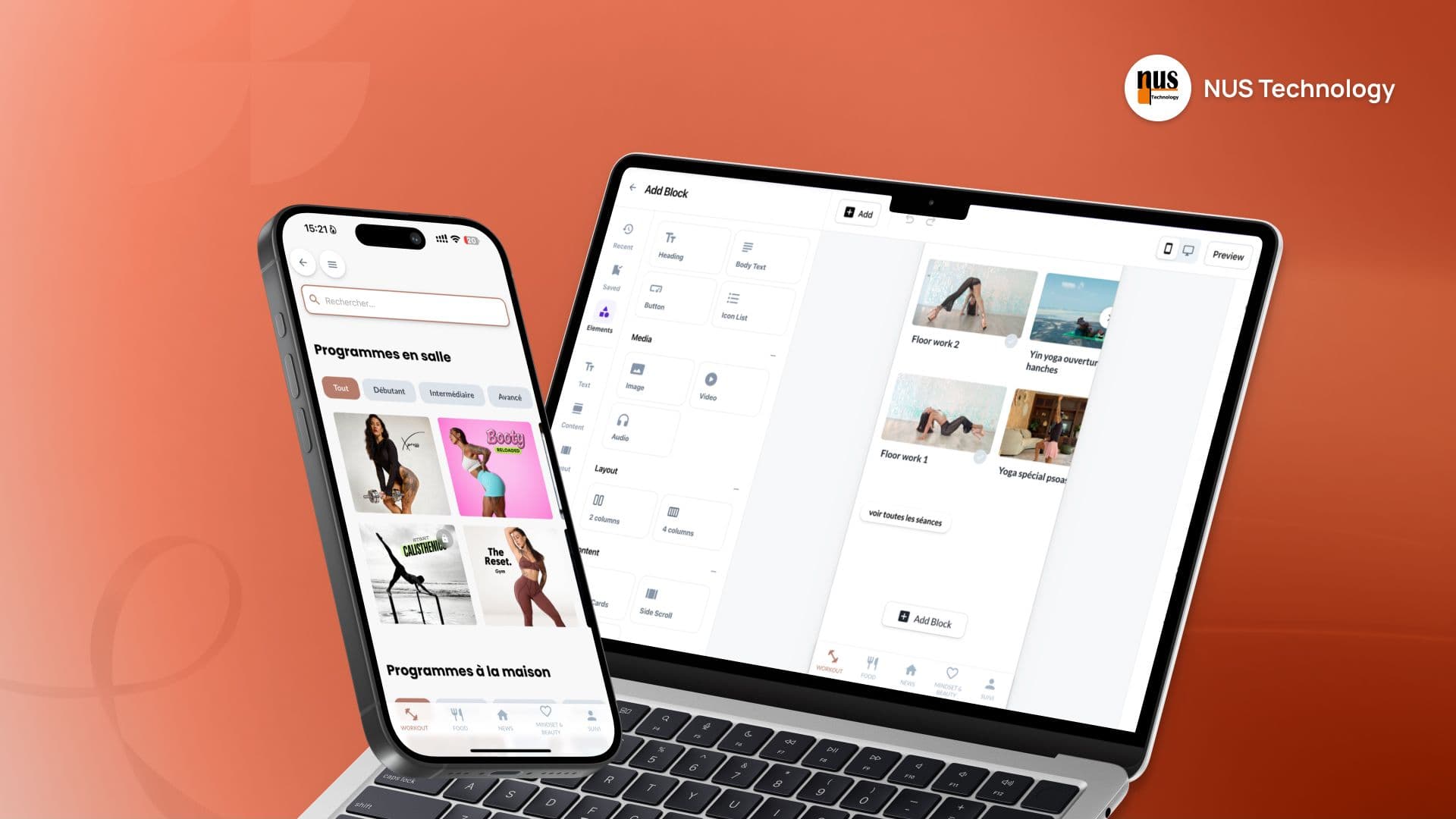
Movement is a no-code app builder platform that empowers creators, coaches, and communities to design and publish fully functional mobile applications, without writing a single line of code. Founded by Samuel Parry, the platform lets users construct their own apps from scratch, manage content and member access, and customize experiences for their audiences.
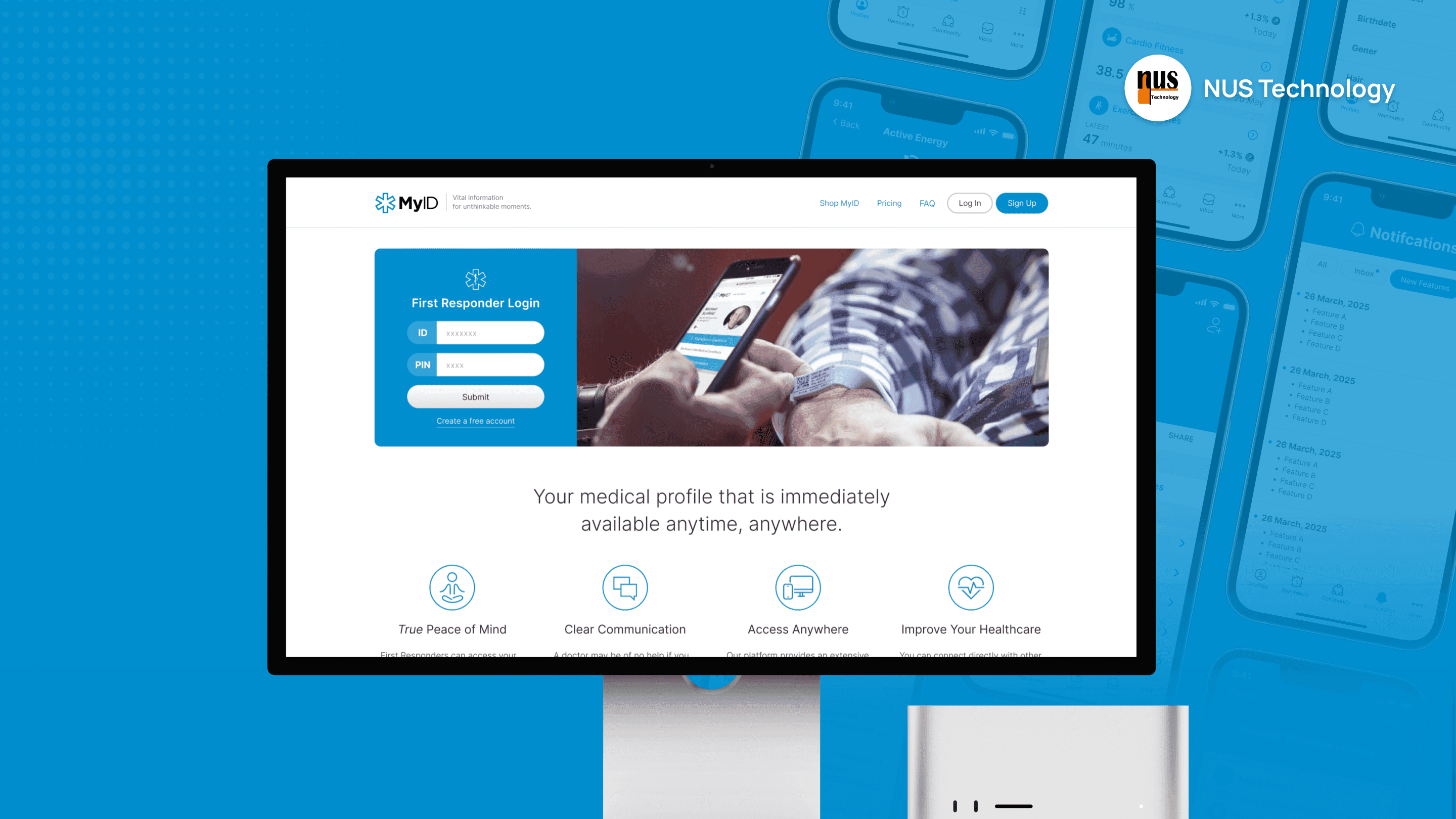
In 2014, MyID partnered with NUS Technology to strengthen and expand its offering. The goal was to transform an existing but underperforming system into a reliable, scalable, and user-friendly platform that could serve individuals globally.
Explore our latest insights on strategy, engineering, and the art of building exceptional software that drives real business results.

A production bug costs 4-100x more to fix than one caught at design. Here's why investing in QA from day one is the cheapest engineering decision you'll make.

Choosing between a software rewrite and incremental modernization? Learn why most rewrites fail and how a module-by-module refactor approach keeps your operations running.

Discover why code quality matters for software performance, scalability, security, maintainability, and long-term business success.
Let’s talk about your field operations and see how a custom platform can help.