April 2, 20267 min read
Why Your AWS Bill Keeps Growing (And How to Fix It)
Your AWS bill isn't growing because AWS is expensive. These 6 architecture decisions made early in development are quietly compounding your cloud costs every month.

We build and manage secure, scalable cloud infrastructure so your app thrives.
Our DevOps services speed time-to-market and give you confidence to grow without limits.
Most engineering teams hit one of three infrastructure ceilings at some point. The deployment pipeline becomes a bottleneck, pushing a feature to production takes hours and requires tribal knowledge to not break something. The cloud bill grows faster than the business, with no clear explanation of where the money is going. Or a production incident exposes that the monitoring, alerting, and recovery process was never properly built.
We fix all three. Our DevOps team starts by auditing what you have: deployments, infrastructure, monitoring, spend, and producing a prioritized action plan. In most cases, our optimizations pay for themselves within the first quarter through cloud cost savings alone. We then build, operate, and maintain the infrastructure long-term so your engineering team can focus on building the product, not managing the platform it runs on.


We accelerate your development lifecycle by building fully automated Continuous Integration and Continuous Deployment (CI/CD) pipelines. This allows you to ship new features faster, more frequently, and with fewer errors.

We architect optimal cloud solutions on AWS and Google Cloud. We also specialize in migrating existing applications, boosting performance and significantly reducing your infrastructure costs.

We provide 24/7 monitoring to ensure your application is always running at peak performance. We proactively identify and resolve bottlenecks, optimize resource usage, and ensure a seamless experience for your users.

We build security into the core of your infrastructure. Our experts implement best practices for access control, data encryption, and vulnerability management to protect your application and your users' data.


We review your entire cloud infrastructure and identify every instance of over-provisioning, wasted resources, inefficient architecture, and missing reserved instance savings. The output is a prioritised list of actions with estimated savings for each.
Most clients recover the cost of the audit within the first month of implementing recommendations. The average saving we identify across client audits is 30-50% of monthly cloud spend.
This is available as a standalone engagement with no obligation to proceed further.

Every DevOps engineer on our team has a software development background. This matters because infrastructure decisions have direct consequences for developer velocity and engineers who have never written application code often build infrastructure that slows the teams who have to deploy to it.

The average cloud cost reduction we deliver in a new client audit is 30-50%. We have never audited a scaling company’s infrastructure and found it optimally configured. There is always waste, the question is how much, and how fast we can recover it.

We run a weekly infrastructure review for every client on retainer. You receive a monthly report covering spend trends, performance metrics, upcoming maintenance, and any risks we have identified. You hear about problems from us before your users experience them.


We leverage a robust, best-in-class technology stack to build and manage secure, scalable, and automated cloud infrastructure. Our expertise spans the entire DevOps lifecycle, from initial setup to ongoing optimization.

Amazon Web Services (AWS), Google Cloud Platform (GCP), Microsoft Azure, Heroku

Docker, Kubernetes (K8s)
Jenkins, GitHub Actions, CircleCI

Prometheus, Grafana, Datadog, New Relic, ELK Stack (Elasticsearch, Logstash, Kibana)


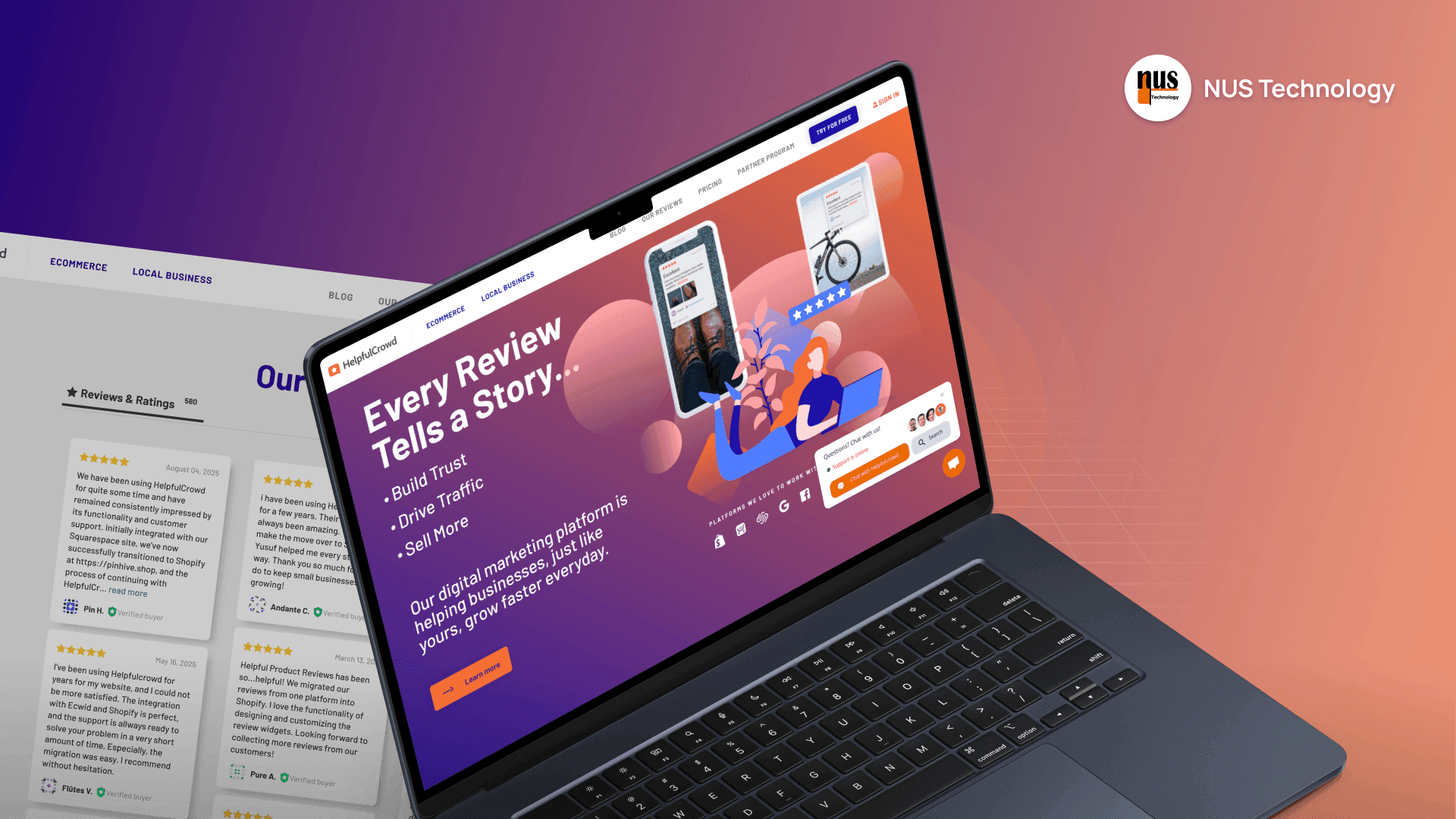
HelpfulCrowd scaled smarter through SaaS performance optimization and cloud migration. Faster queries, leaner background jobs, and streamlined deployments reduced response times by 67%, cut infrastructure costs by 50%, and doubled monthly feature releases.

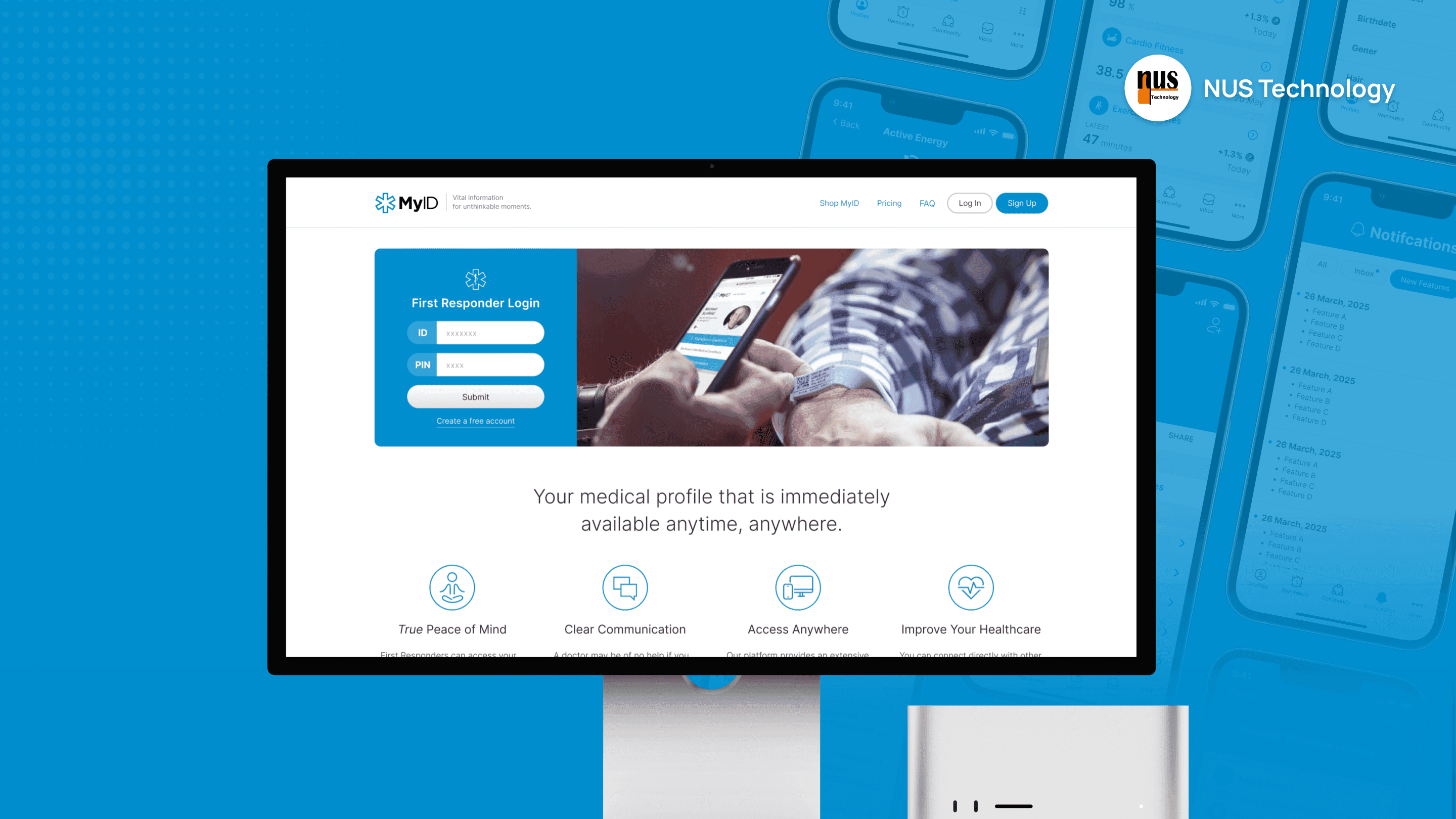
When emergencies make seconds matter, MyID provides fast, secure access to medical profiles. Platform modernization improved APIs by 30%, cut QR profile retrieval time by 55%, protected 120,000 records, and delivered 99.9% uptime.
Explore our latest insights on strategy, engineering, and the art of building exceptional software that drives real business results.
April 2, 20267 min readYour AWS bill isn't growing because AWS is expensive. These 6 architecture decisions made early in development are quietly compounding your cloud costs every month.
 July 3, 20263 min read
How a simple 3-tier cache enabled NUS Technology to eliminate billions of Redis reads, reduce AWS costs by 92%, and scale a high-traffic platform.
 October 14, 20254 min read
Discover how NUS Technology built a scalable multi-tenant SaaS platform for Propmap.io, improving field service efficiency, workflow automation, and business growth.
Let’s talk about your field operations and see how a custom platform can help.