Multi-provider
OpenAI, Gemini, Claude, and OpenRouter, not locked to one vendor.


Adding AI to a live product is a different problem than building an AI demo. We integrate OpenAI, Gemini, Claude, and other providers into existing data models and user flows, without locking you into a single vendor's pricing or roadmap.
OpenAI, Gemini, Claude, and OpenRouter, not locked to one vendor.
Retrofitted into a live EdTech platform, not a greenfield demo.
Paired with Meilisearch and Elasticsearch when retrieval matters.
Observability on latency, spend, and failure rates from day one.
The model call is the easy part. The integration work is what makes an AI feature reliable, affordable, and actually used.
Authoring tools that use LLMs to help users create content faster, integrated directly into an existing editorial or authoring workflow.
An abstraction layer over OpenAI, Gemini, Claude, and OpenRouter, so you can switch models or fall back on outage without rewriting application logic.
Combining LLMs with dedicated search infrastructure like Meilisearch or Elasticsearch, so answers are grounded in your actual content.
AI-assisted responses and internal workflow automation that reduce manual handling without removing a human from decisions that need one.
Visibility into latency, token spend, and failure rates per model call, so AI features don't become an unpredictable line item.
Adding AI features to a codebase and data model that weren't designed for it, without destabilizing what already works.
Calling a model API is a few lines of code. Making that call reliable, affordable, and safe in a product with real users is the actual engineering problem.

Pricing changes, rate limits, and outages from one provider shouldn't take your product down with them. A routing layer keeps that risk contained.
Without monitoring, a popular AI feature can turn into an unpredictable bill before anyone notices the usage pattern driving it.
A model with no access to your actual content or data will sound confident and still be wrong. Retrieval and search infrastructure is often the missing piece.

"For five years, NUS Technology has been a trusted partner, brilliantly executing my vision for Pursuit Lab. They tackled complex payment integrations flawlessly and delivered a powerful, scalable platform that has streamlined our operations and allowed our clinics to grow."

We start with your actual product, users, and data, not a generic AI feature checklist.
A review of your current workflows and data, to find where an AI feature solves a real problem instead of being AI for its own sake.
Which provider or providers to use, what gets built as a routing layer, and how the feature fits into your existing product.
Tracing and cost monitoring go in alongside the feature itself, not as an afterthought once usage is already live.
The AI landscape moves fast. A new model, a pricing change, or a better provider option doesn't have to mean a rebuild.
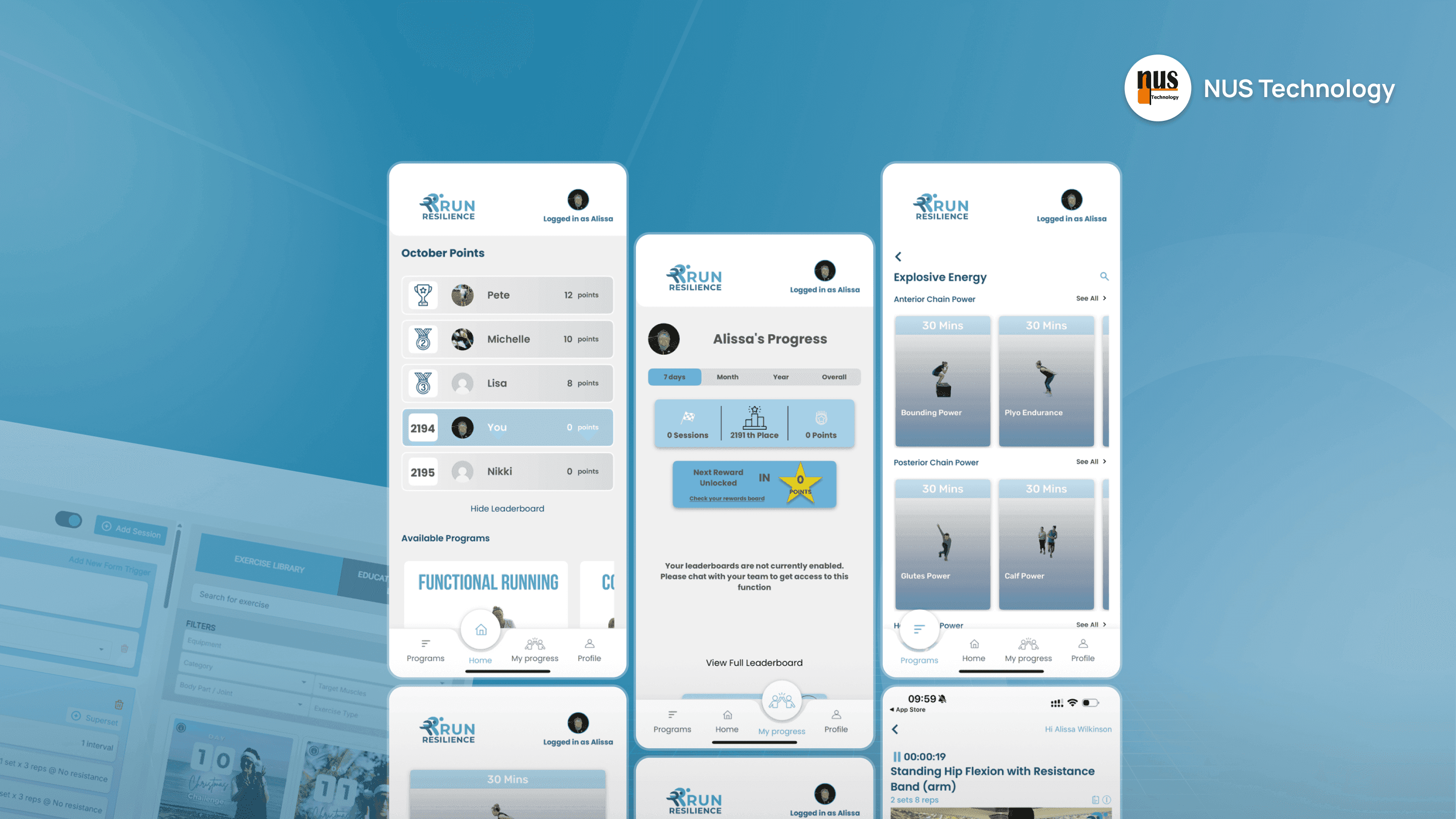
Pursuit Lab brings client management, personalized programs, progress tracking, and Stripe payments into one fitness SaaS platform, cutting admin work by 40%, accelerating onboarding by 75%, and increasing 90-day client retention by 22%.


Notes on the decisions behind building and maintaining real software.
 September 25, 20265 min read
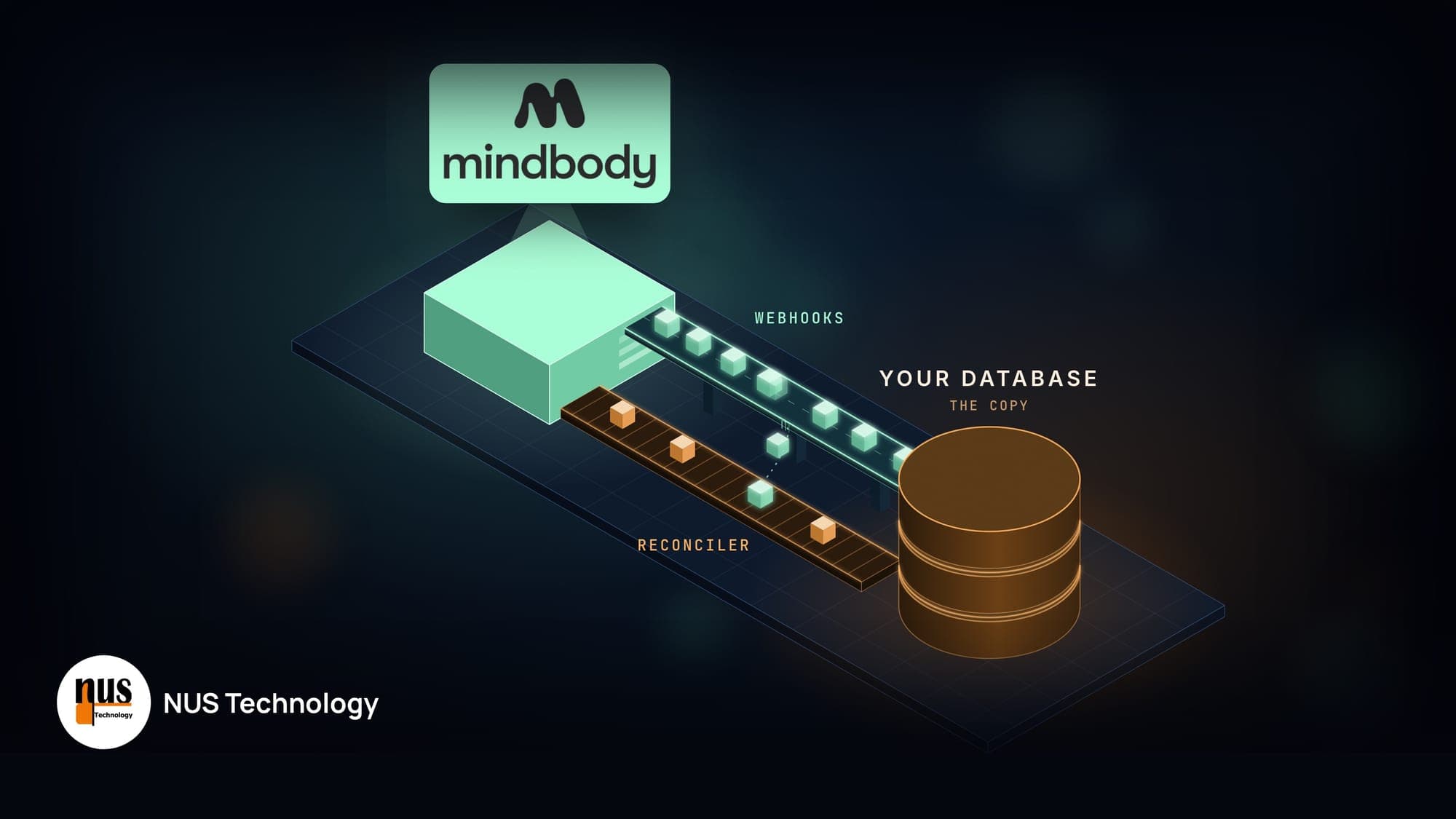
Mindbody webhooks arrive twice and out of order? Here is the two-path sync architecture we use to keep a local database honest in production.
 September 17, 20266 min read
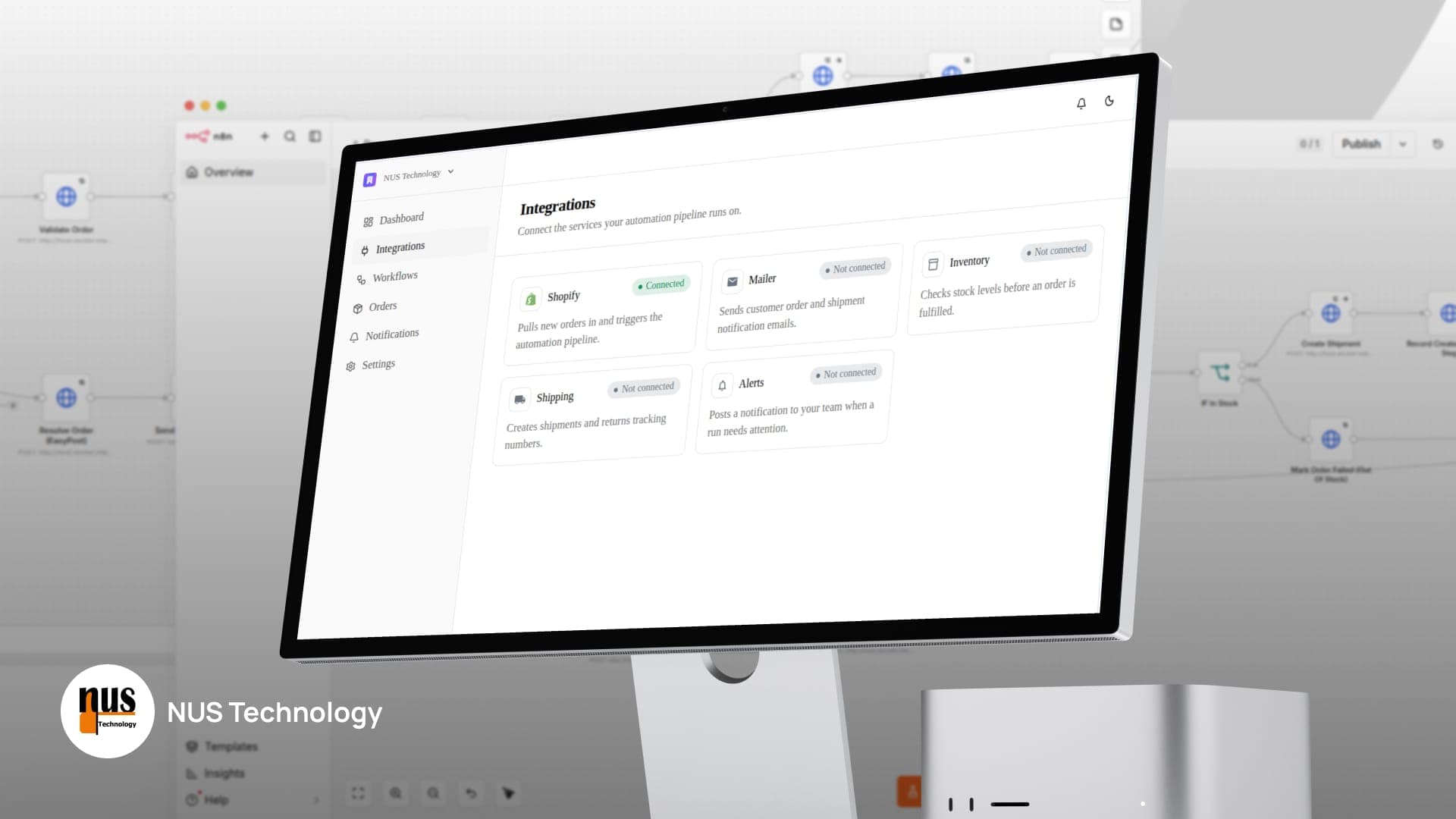
See how we built n8n eCommerce automation into a multi-tenant SaaS: Shopify orders, Zoho stock checks, EasyPost shipping, and the architecture behind it.
 September 2, 20264 min read
Automate document compliance: How we paired AI heuristics with OOXML patching & PDF tree parsing to tag DOCX, PPTX & PDF with zero layout damage.
Tell us what you're running and where AI could actually help. Most conversations start with a 30-minute call.