Healthcare Operations
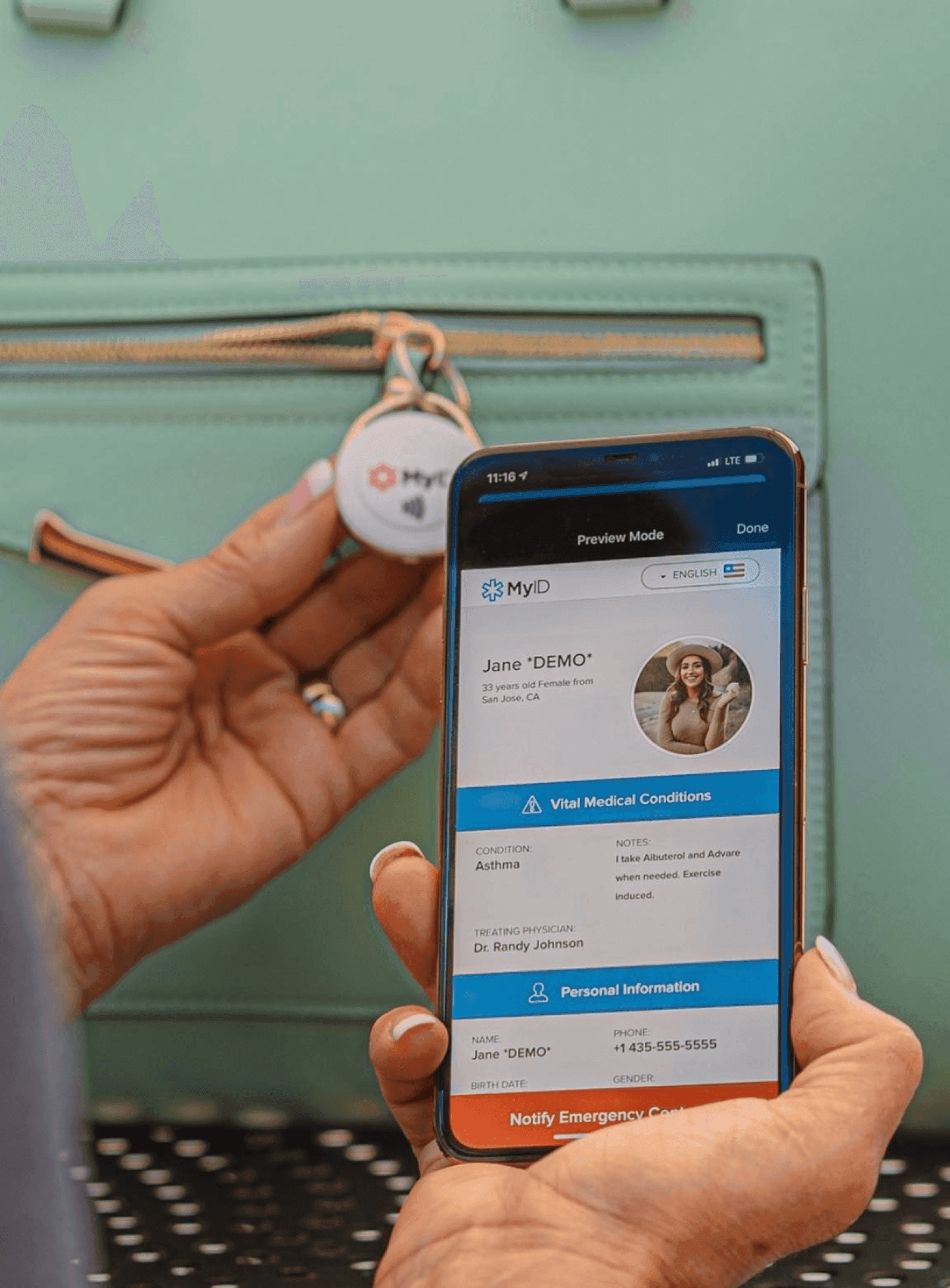
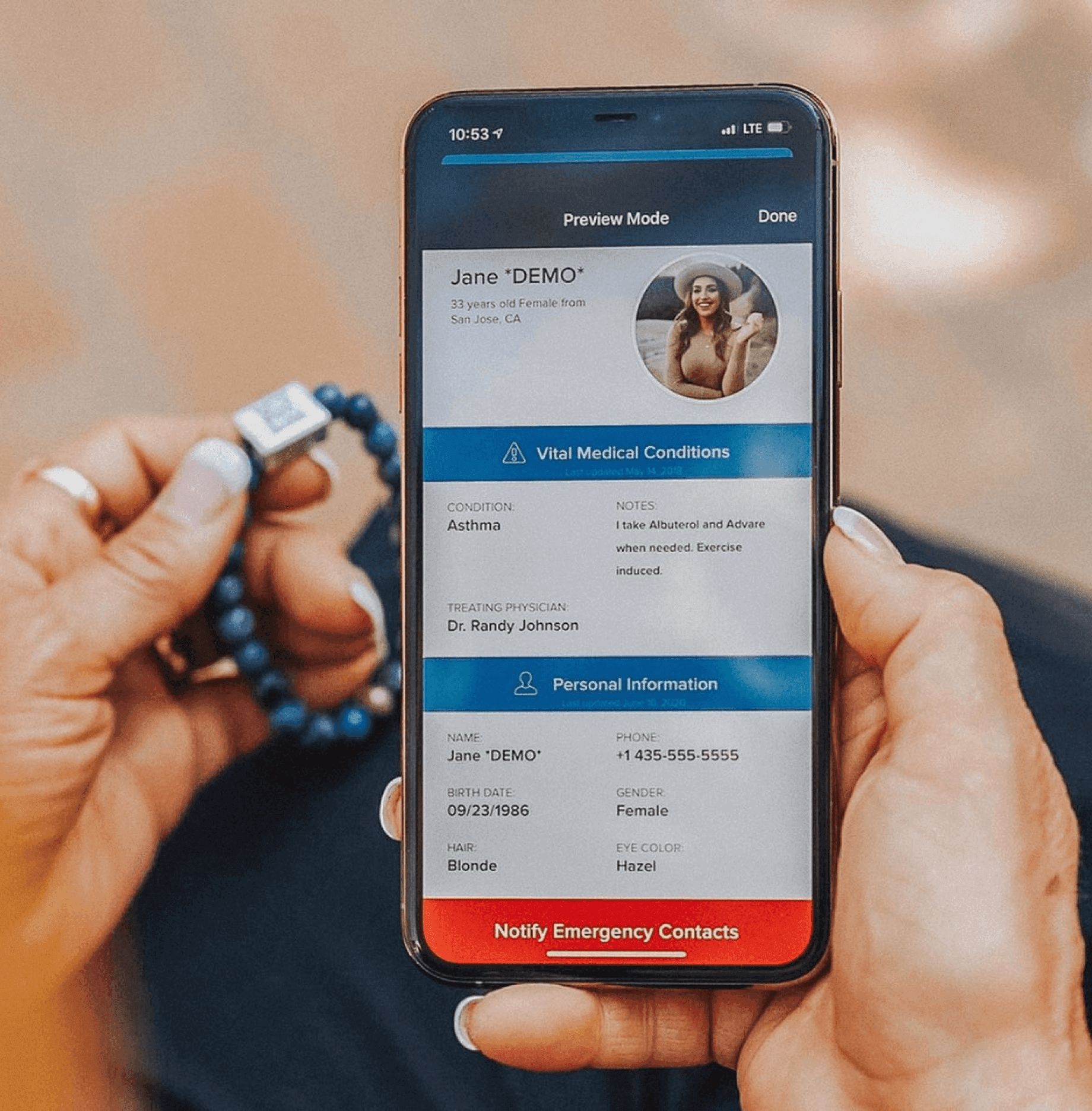
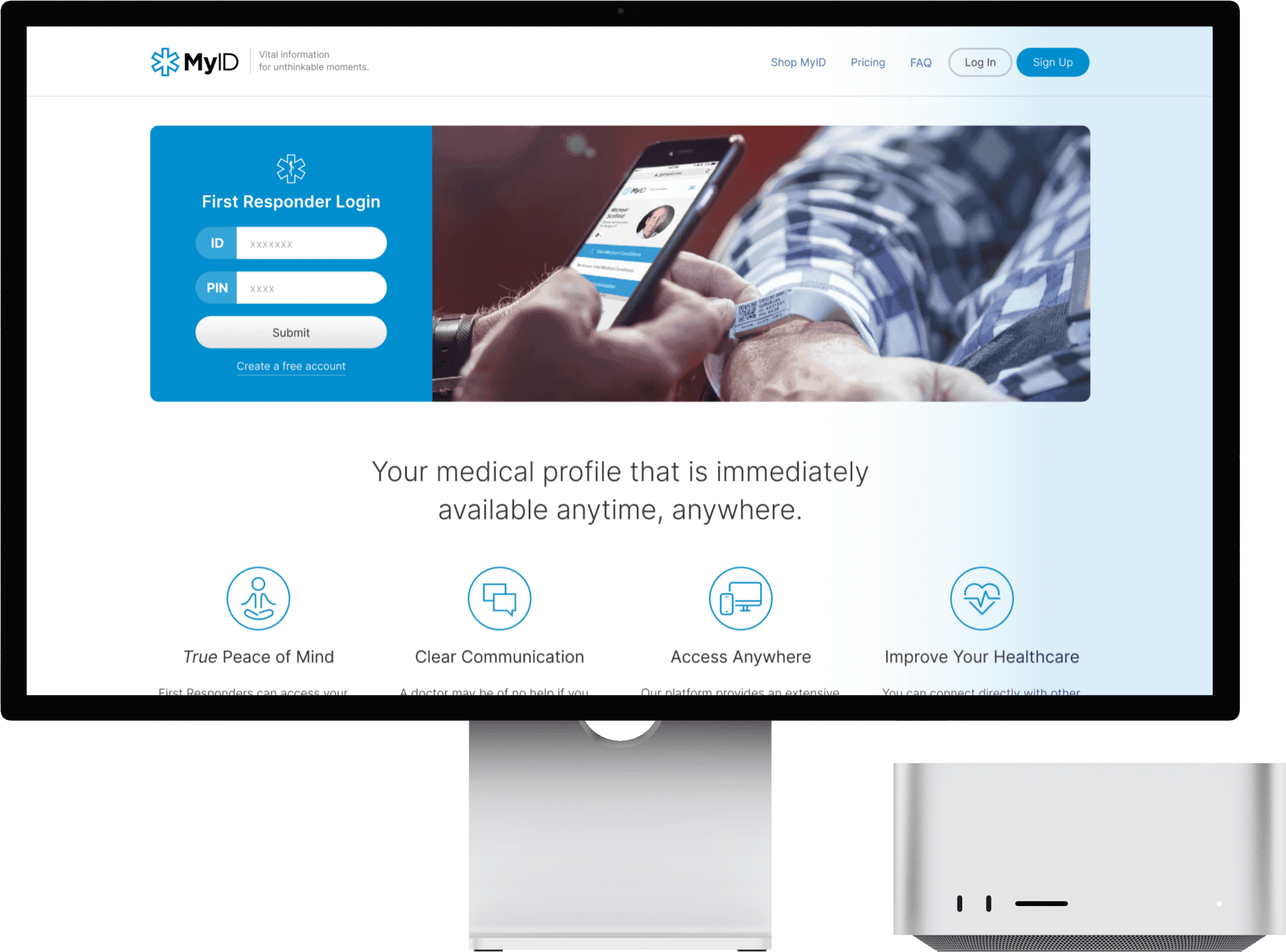
MyID was founded with a simple but important purpose: making critical medical information available when it matters most. The platform gives individuals a secure online medical profile that can be linked to wearable products and accessed through a QR code. In an emergency, whether an accident, an allergic reaction, or a sudden health condition, first responders and caregivers can quickly retrieve essential health information to help inform their decisions.
In 2014, MyID partnered with NUS Technology to improve an existing platform that was struggling with performance, scalability, and development speed. Rather than starting over, NUS took on the existing system and worked with MyID to strengthen its technical foundation, improve mobile accessibility, and support the platform's continued growth.

Name

MyID
Services
Take Over & Stabilize, Run & Maintain, Extend & Integrate
Backend
Ruby on Rails
Database
MySQL
Frontend
React Native (Mobile), Bootstrap (Web)
Infrastructure
AWS
Industry
Healthcare / Medical Information Management
Market
Global
Integration
Stripe, HealthKit, Google Maps
 THE CHALLENGES
MyID's mission depended on one essential requirement: medical information had to be accessible quickly and reliably, especially in emergencies. However, the existing platform struggled with:
Performance Bottlenecks: Slow backend responses and inefficient database operations affected how quickly users could access medical profiles and critical health information.
Limited Scalability: The existing architecture struggled to support the platform's growth and the demands of a global user base.
Slow Product Development: The underperforming technical foundation made ongoing improvements and new feature development increasingly difficult.
For a service handling sensitive medical information, these limitations threatened both user confidence and the platform's ability to grow.
NUS needed to take over the existing codebase, stabilize the platform, and build a stronger foundation without disrupting a service that users depended on.
 THE SOLUTION
NUS Technology took an incremental approach to modernizing MyID, starting with an audit of the existing application and its underlying architecture. Rather than replacing the entire system, the team focused on improving the existing backend, restructuring data management, and rebuilding the mobile experience. Security enhancements and third-party integrations were also incorporated to support the platform's requirements.
NUS began by examining the existing Ruby on Rails application to identify performance bottlenecks and areas requiring improvement.
The team worked on optimizing database queries, refactoring core Rails services, and restructuring the existing MySQL database while preserving the platform's established business logic.
NUS also implemented Marionette for structured file management, providing a framework for handling medical records and supporting documents. To support the transfer of existing user data, the team developed a custom live migration process.
NUS modernized the platform across web and mobile while retaining its core functionality.
NUS rebuilt the mobile applications using React Native, supporting both iOS and Android through a single codebase.
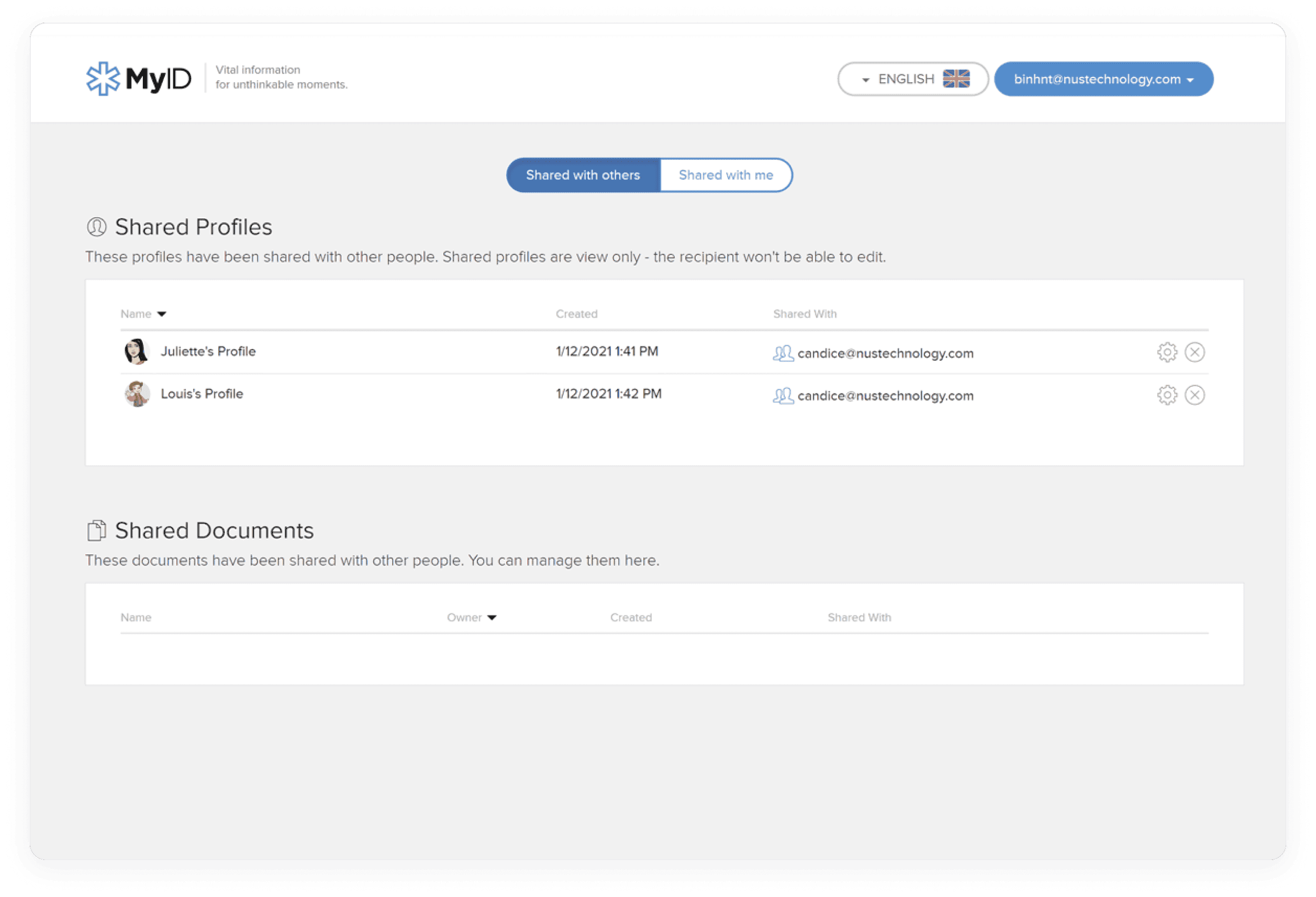
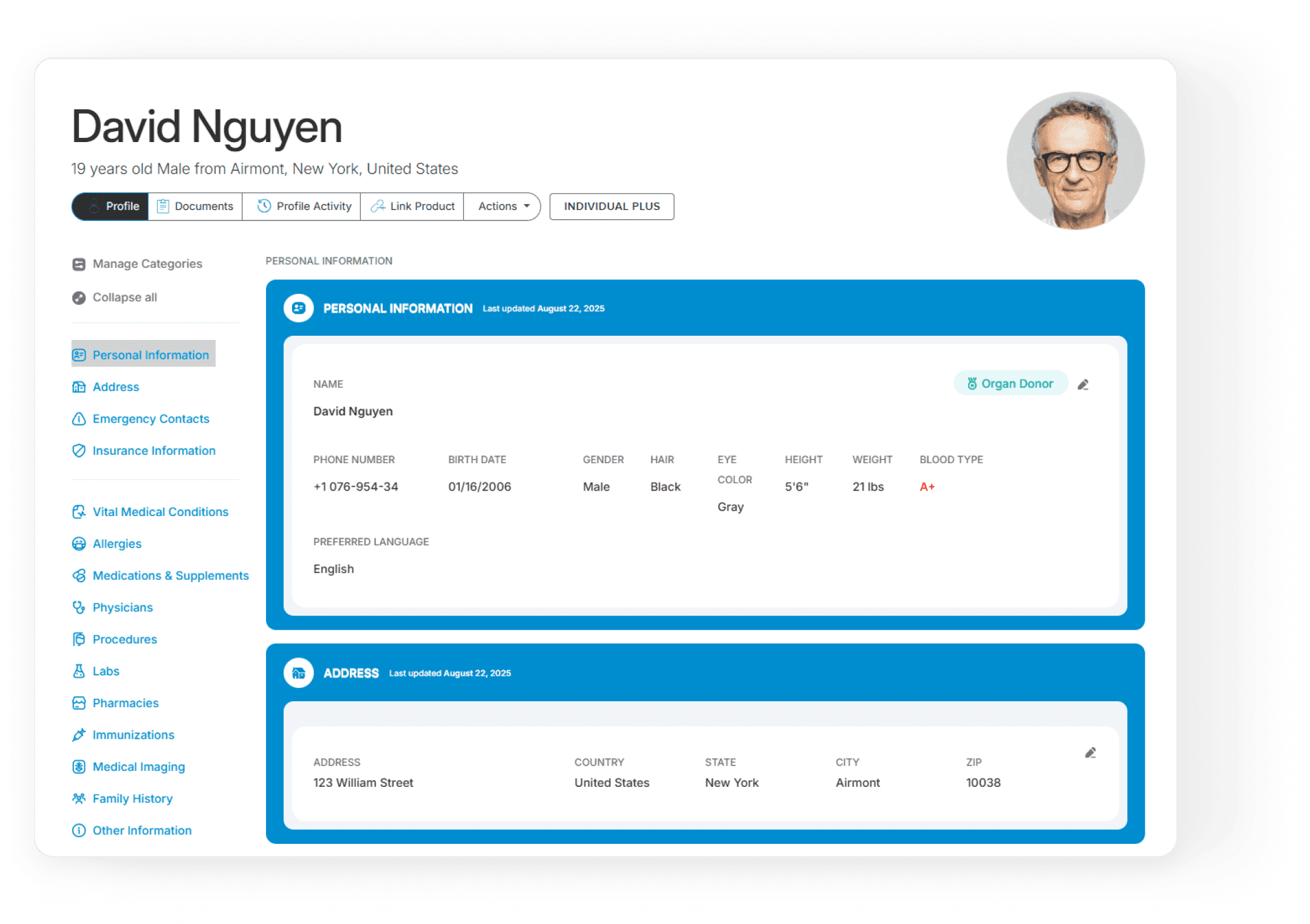
The web application supports medical profile creation and management, allowing users to enter medical histories, upload documents, and customize their profiles. The mobile applications provide QR code scanning and access to essential medical information.
The platform was deployed on AWS to support its infrastructure requirements. Given the sensitive nature of medical information, NUS implemented AES-256 encryption for data at rest and TLS encryption for data in transit.
NUS integrated several external services to extend the platform's functionality:
Stripe: Payment processing.
Apple HealthKit: Health data synchronization.
Google Maps: Location-based functionality.
These integrations form part of the platform's broader technical ecosystem, supporting its payment, health data, and location-related capabilities.
THE RESULTThrough its partnership with NUS Technology, MyID became a faster, more reliable, and scalable platform. Improvements to mobile performance and QR-based profile retrieval made essential medical information easier to access when every second counts.

Faster API Response: Database query optimization and Rails service refactoring reduced average API response times by approximately 30%, from 840ms to under 600ms.
Quicker Medical Profile Retrieval: QR-scanning improvements cut profile retrieval time from approximately 4.5 seconds to around 2 seconds, over 55% faster.
Stronger Security and Reliability: AES-256 encryption at rest and TLS in transit strengthened data protection. AWS infrastructure improvements brought uptime to 99.9%, while a custom migration transferred approximately 120,000 user records without downtime.
Higher User Adoption: As the platform became faster and more reliable, medical profile completion increased by approximately 22%, reflecting greater user confidence in maintaining their health information on MyID.
~30% Cut on Average API Response Time
55% Faster Profile Retrieval Speed
99% Infrastructure Uptime
22% Increase on Profile Completion

For a platform like MyID, reliability is directly tied to its mission. Medical information only makes a difference when it is accurate, protected, and available at the moment someone needs it.
By strengthening the technology behind that promise, NUS helped MyID become a more dependable service while preserving the existing platform and its established user base.
The relationship between MyID and NUS reflects the value of a long-term engineering partnership: understanding a product deeply, improving it without unnecessary disruption, and continuing to support a mission that matters to its users.
 TESTIMONIAL

Director of Operations
"We have worked with NUS Technology for several years now. Working with their team has been a game-changer for MyID. They took on the tough challenge of our existing codebase and transformed it into a fast, stable, and secure platform that our users can rely on during emergencies. They’re more than just developers; they feel like a true extension of our own team who genuinely care about our mission. Their partnership has been key to making MyID the trusted service it is today."
Get the full story in PDF format, including project details, technical insights, and measurable results you can apply to your own business.


Let’s have a strategic conversation about your goals and how we can achieve results like these for your business.