Commerce & Marketplace

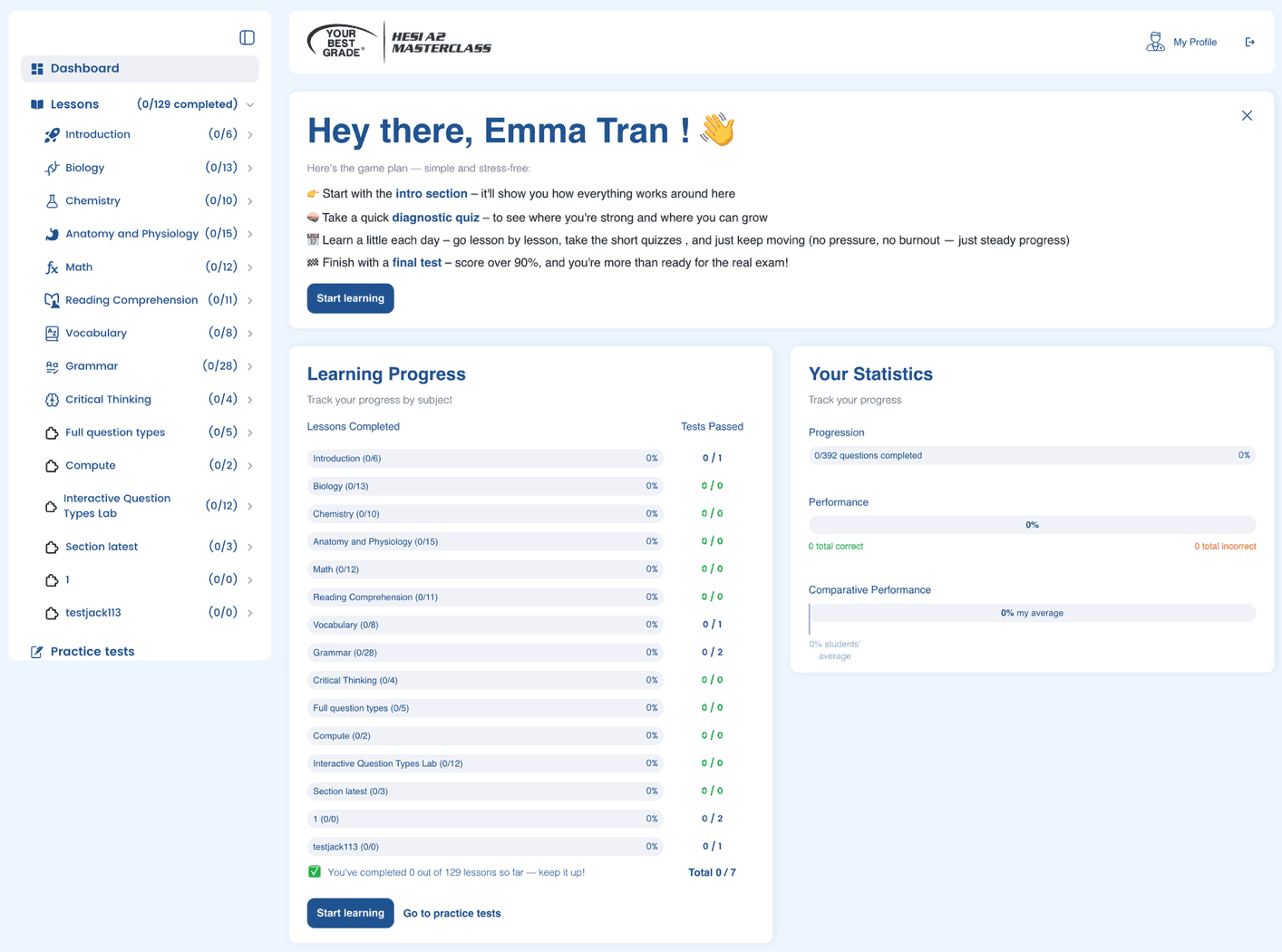
With a 15-year history, YBG established itself as a critical resource for nursing students across the United States. The platform provides a comprehensive suite of tools to help students prepare for the high-stakes exams required for their careers, from the HESI A2 entrance exam to the final HESI NCLEX certification. Their vision was to be the most robust and flexible practice platform, enabling students to target their weaknesses and practice with exam formats that mirror the real test.

Name

YBG
Backend
Ruby on Rails
Database
PostgreSQL
Frontend
Ruby on Rails, react-rails, Next.js, Tailwind CSS
Infrastructure
AWS (EC2, RDS, S3, ElastiCache), Google Cloud (Backup)
Industry
EdTech (Nursing Education & Exam Preparation)
Market
United States
Integration
Aweber, BugSnag, VWO, VdoCipher
 THE CHALLENGES
NUS Technology began its partnership with YBG eight years ago, inheriting an 11-year-old legacy codebase. While the platform was feature-rich, it was suffering from significant technical debt and performance issues that threatened user experience and future growth.
 THE SOLUTION
NUS Technology took on the role of a long-term strategic partner, focusing on stabilizing, optimizing, and incrementally modernizing the platform. The goal was not to rewrite from scratch, but to surgically improve the existing system while building new capabilities.
The team's strategy involved a careful evolution of the tech stack. The core backend remains Ruby on Rails and PostgreSQL, leveraging their power and stability.
To address performance, AWS ElastiCache (Redis) was introduced as a critical architectural component to cache test and question data, decoupling the application from the database.
On the frontend, react-rails was used to build modern, interactive components within the existing Rails monolith. For new, standalone features like the HESI A2 module, the team adopted a modern stack of Next.js and Tailwind CSS to ensure high performance and a better developer experience.
The team's expertise was immediately put to the test to solve the platform's most pressing issues:
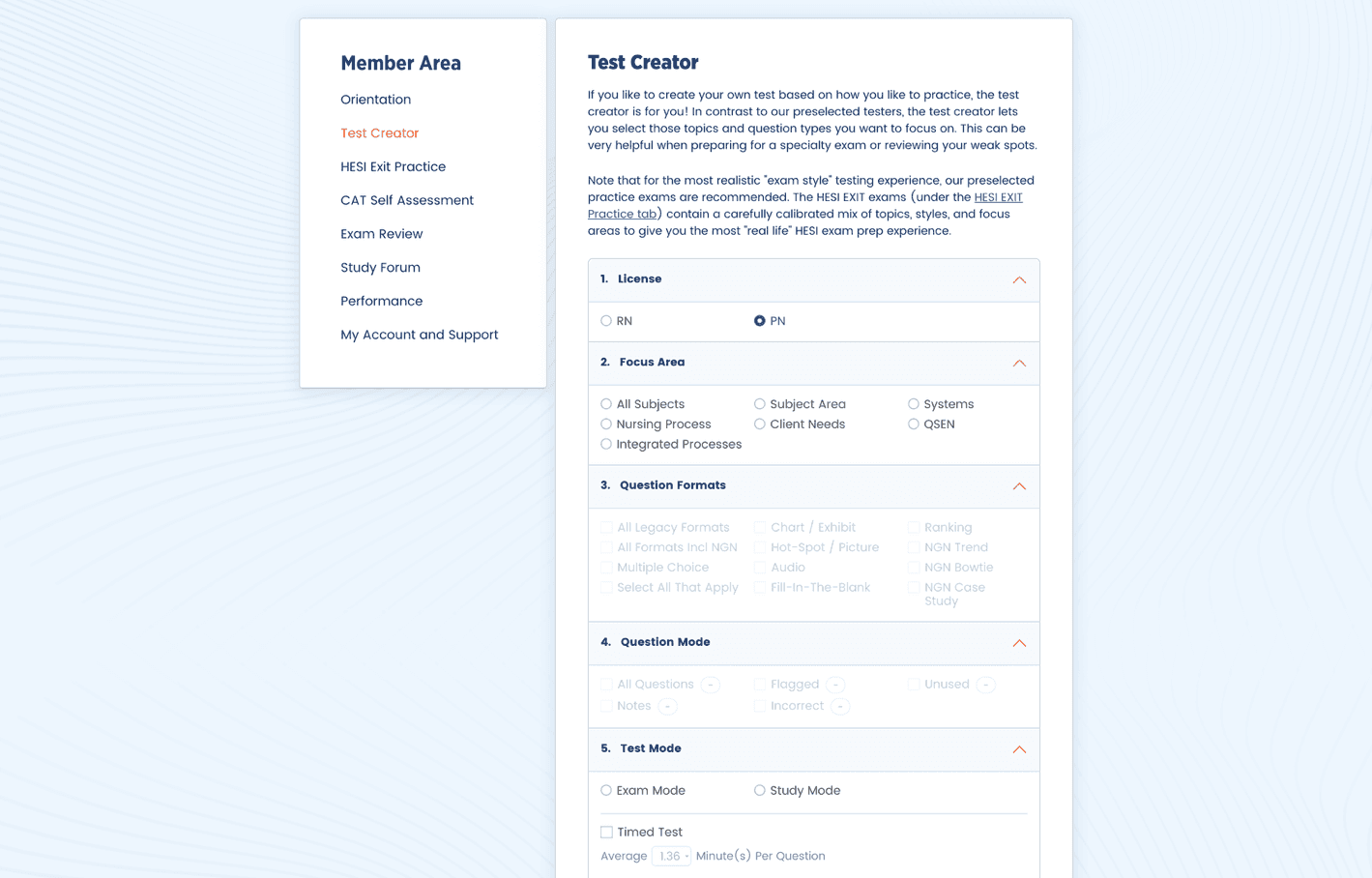
• Optimizing the "Test Creator": The 2-minute timeout was unacceptable. By performing a deep analysis and optimizing the underlying database queries and application logic, the NUS team reduced the test generation time from 70-120 seconds to an average of 3-7 seconds, a performance increase of over 95%.
• Eliminating Database Overload: To solve the test loading bottleneck, the team implemented a Redis caching layer. Instead of hitting the database for every request, frequently accessed questions and tests are served from memory. This change dramatically improved page load speeds and stabilized the entire platform, allowing it to "run smoothly to this day."
• Mastering Complex Interactions: To support all 18 question types, especially image-based drag-and-drop, the team engineered custom JavaScript solutions. This included handling image scaling on different screen sizes and creating a "click-and-drop" alternative for mobile devices, ensuring the complex functionality worked reliably everywhere.
THE RESULTThe 8-year partnership between NUS Technology and YBG has transformed a struggling legacy platform into a stable, scalable, and highly profitable business. The technical achievements translated directly into business value:

The Test Creator saw the most visible win: average generation time fell from roughly 95 seconds (with frequent 120-second-plus timeouts) to about 5 seconds — over 95% faster. Timeout-related failures dropped from an estimated 11% of attempts to under 0.5%.
The Redis caching layer delivered comparable stability gains. With a cache hit rate near 90%, database read load fell by roughly 65% at peak, question-set page loads dropped from about 4 seconds to under 1 second, and the platform has held approximately 99.9% uptime since.
Delivery velocity improved as the team retrofitted automated testing onto a near-untested codebase. Coverage of critical revenue and exam-logic modules now sits at roughly 50%, cutting the regression cycle per change from two to three days of manual testing to a few hours.
Reducing Generation Latency by 95%
Database read load cut by ~65%
Core test coverage at ~50%; regression cycle days → hours

These gains underpin the defining outcome: an 8-year (and continuing) collaboration on a mission-critical system, reflecting deep trust and NUS Technology's ability to consistently deliver value.
This partnership showcases NUS Technology’s ability to do more than just build new products. It highlights our expertise in managing, optimizing, and modernizing complex, mission-critical legacy systems. By solving deep performance issues and skillfully handling intricate business logic, NUS has helped YBG solidify its position as a "money maker" and a leading resource for nursing students in the US. The 8-year relationship stands as a testament to our role as a reliable, long-term technology partner invested in our client's success.

 TESTIMONIAL
Director
"We've partnered with NUS Technology for 8 years. Their team skillfully optimized our legacy platform, significantly improving performance on key features like the test creator. Their reliable, long-term support has been invaluable to maintaining our system's stability."
Get the full story in PDF format, including project details, technical insights, and measurable results you can apply to your own business.


Let’s have a strategic conversation about your goals and how we can achieve results like these for your business.