Healthcare Operations

Since December 2023, NUS Technology has worked with The Padel Society to design, build, and continuously develop a platform that brings the wider padel experience into one connected product.
Owned by The Padel Society™, LLC, a subsidiary of SuperStack Ltd., the platform targets Thailand’s growing padel market. It enables players to book courts, connect with other members of the community, organise matches, participate in events and tournaments, and complete payments through a single application.
Rather than inheriting an existing system, NUS built the product from the ground up. The engagement covers the mobile applications, web experience, backend architecture, third-party integrations, and the operational infrastructure required to support the live platform.

Name
The Padel Society™, LLC, a subsidiary of SuperStack Ltd
Backend
Node.js and Supabase
Mobile
Flutter
Frontend
ReactJS
Infrastructure
Vercel, Supabase and five dedicated Fly.io services
Market
Thailand
Integration
Amity and Stripe
 THE CHALLENGES
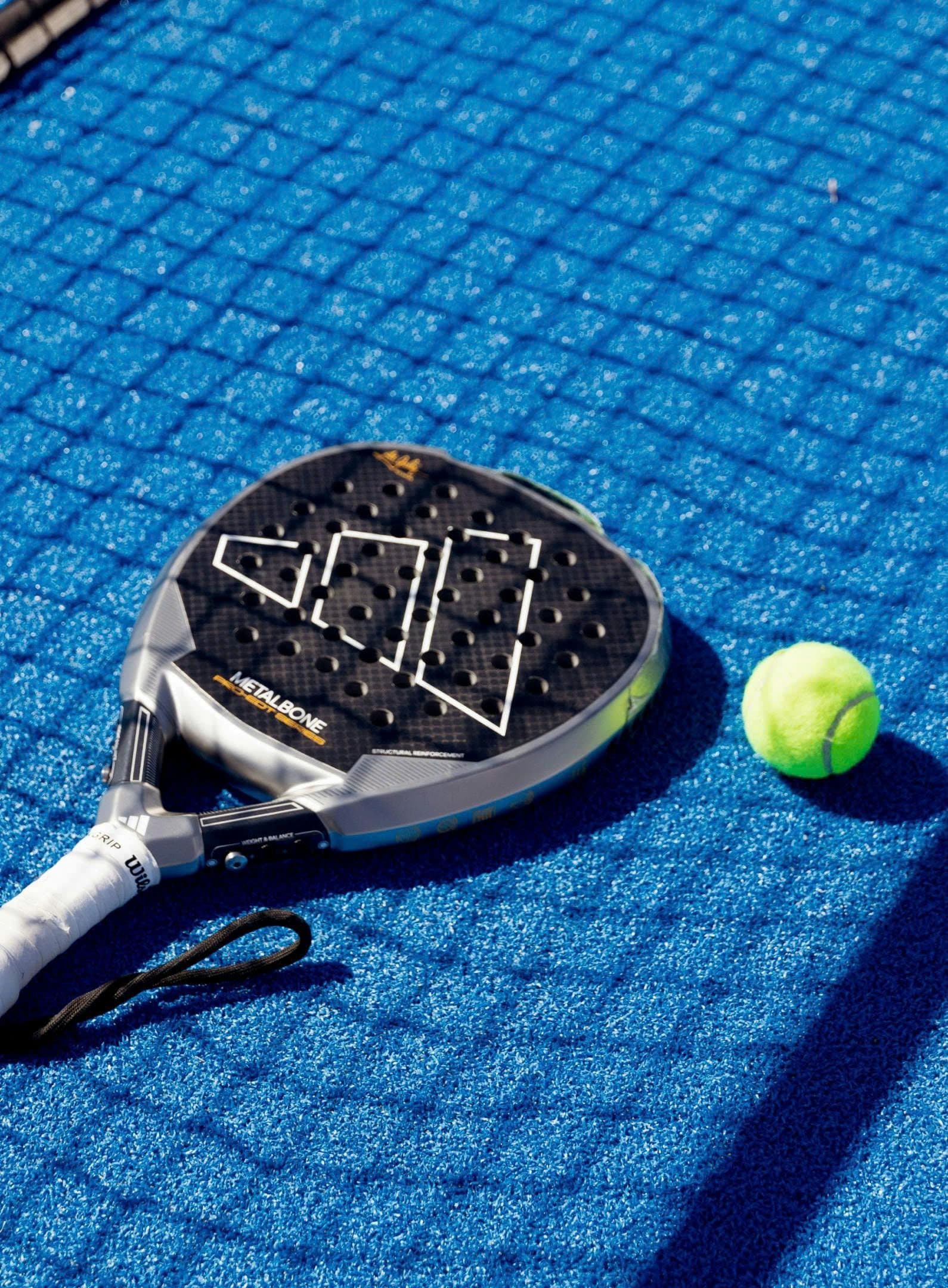
A basic booking system could allow players to select a court and reserve a time slot.
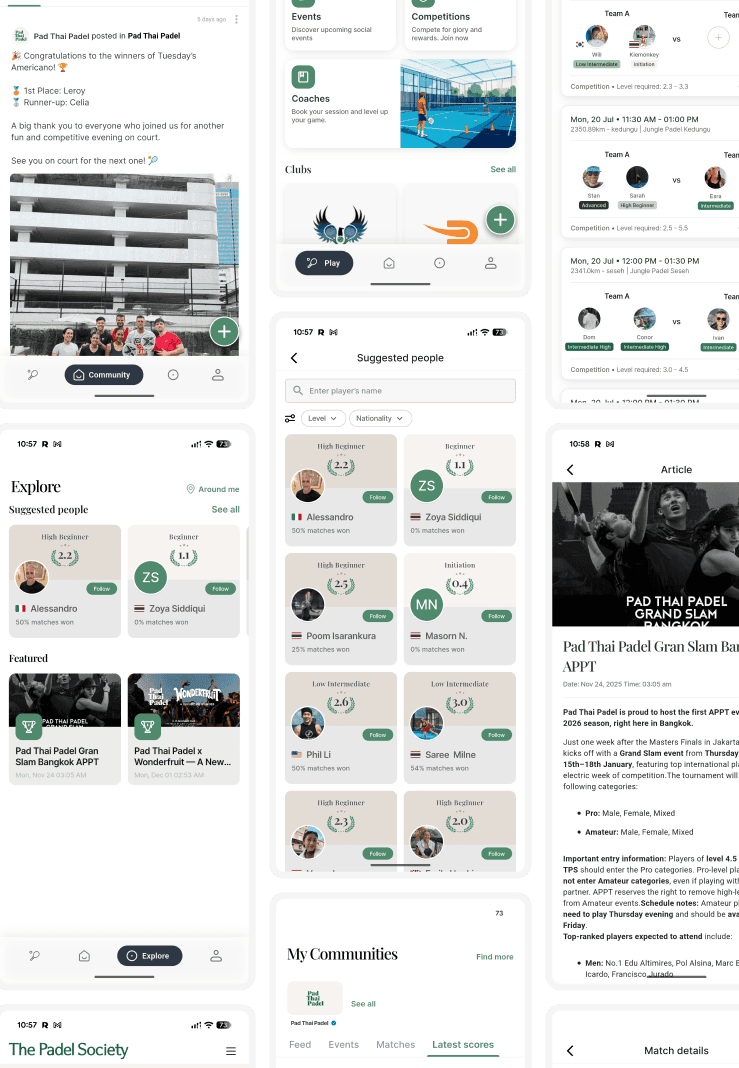
The Padel Society’s vision went further. The product needed to support the activities surrounding a booking, including discovering other players, creating open matches, following community activity, joining events and tournaments, and handling payments.
Supporting the Full Padel Player Journey: The Padel Society needed more than a basic court-booking system. The platform had to connect venue discovery, reservations, open matches, player interaction, community activity, events, tournaments and payments within shared workflows. Because these functions depended on one another, the product required a common operational foundation rather than a set of separate tools.
Operating Without a Separate Staging Environment: The platform operates with a primary production environment and no separate development or staging environment, meaning fixes, features, and infrastructure changes can directly affect live users. This makes careful review and validation particularly important for booking, payments, and other core journeys, while increasing the effort required to release changes without compromising production stability.
Reducing the Workload Concentrated in Supabase: Supabase initially handled core application functions alongside scheduled processes and automated background tasks. As the platform expanded, concentrating these responsibilities increased competition for shared resources, made failures harder to isolate, and created greater risk that maintenance could affect unrelated functionality. The architecture therefore needed to separate background workloads without disrupting the live application.
 THE SOLUTION
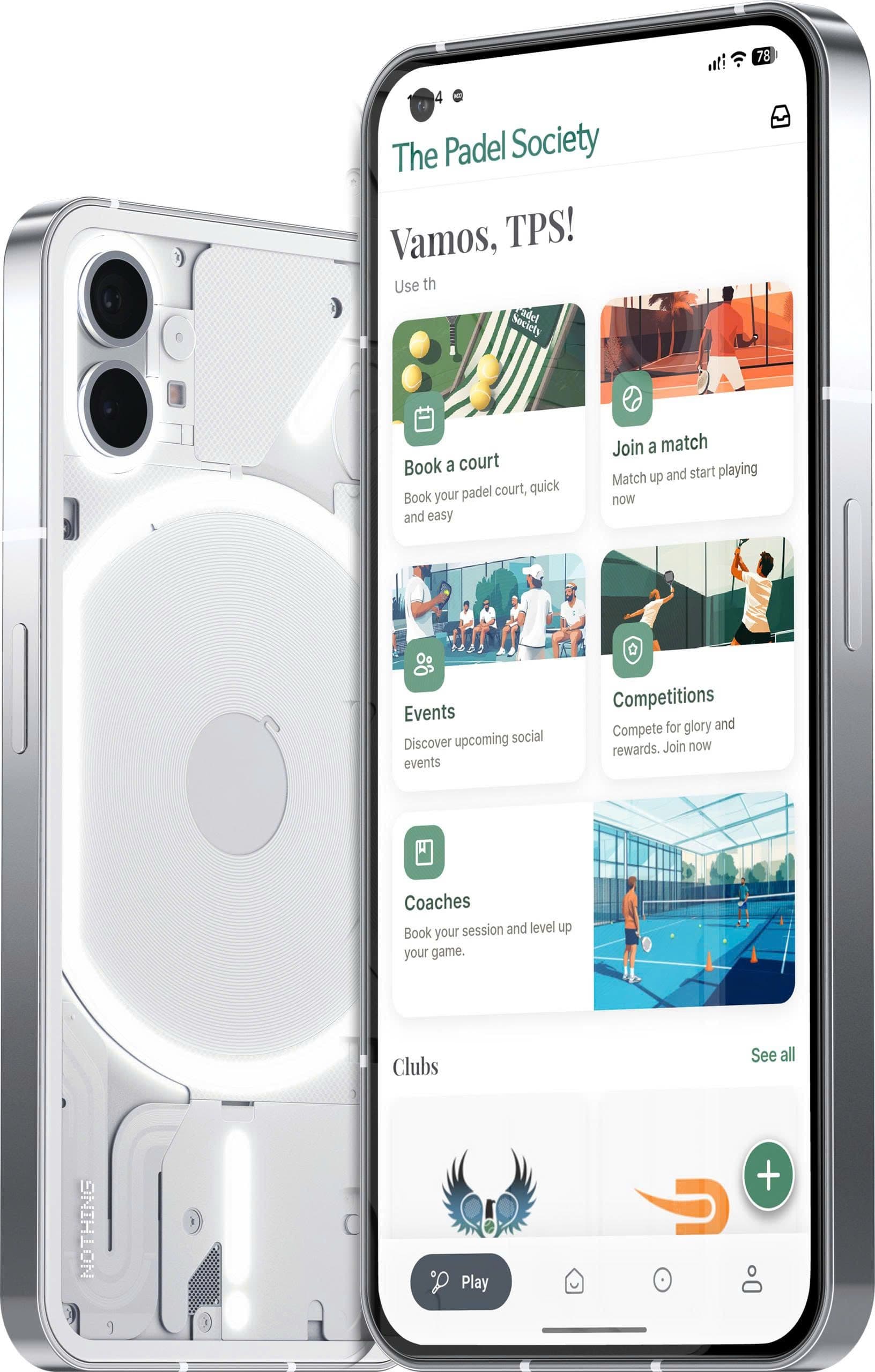
NUS designed and developed the complete product ecosystem, including a Flutter mobile application, a ReactJS web application, and a Node.js backend supported by Supabase. The system was designed around the player journey rather than individual technical features, connecting booking, community participation, match organisation, events, tournaments, and payments within the same product.
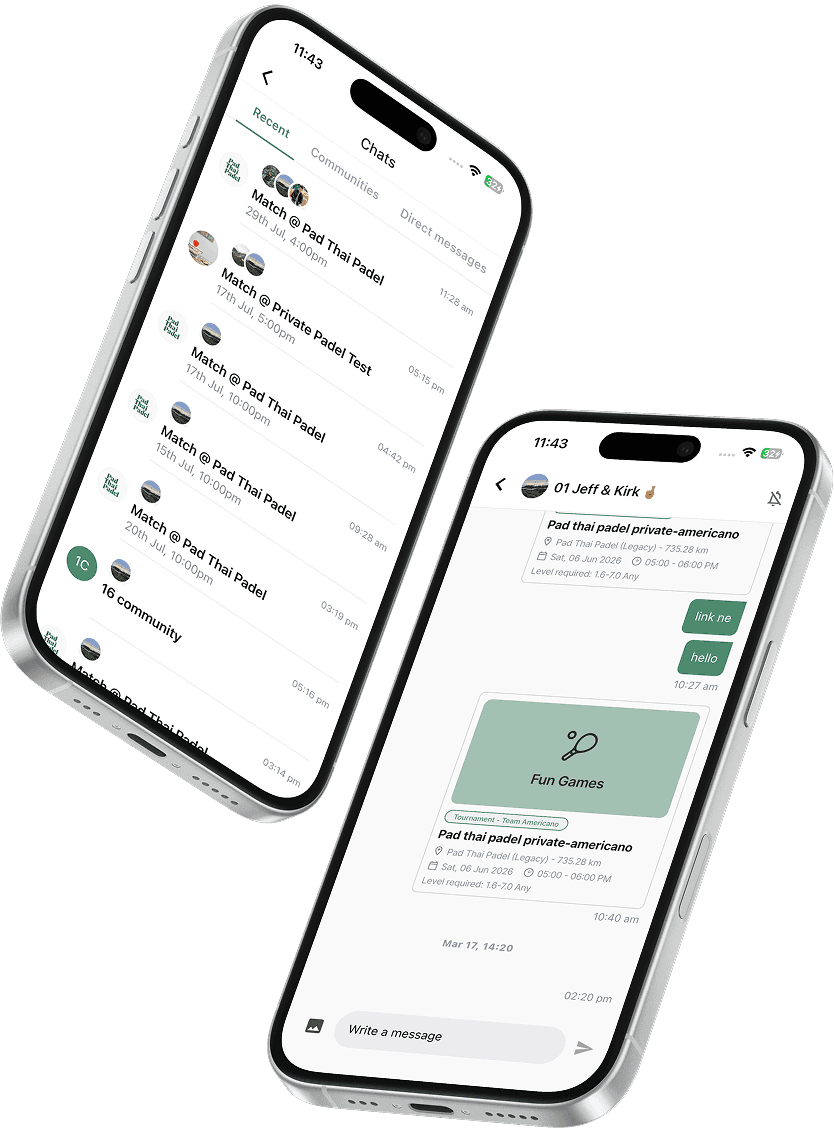
NUS used Flutter to build a consistent mobile experience across iOS and Android. The application gives players a central interface for accessing the platform’s booking and community functions, allowing them to move from discovering activities to organising participation and completing transactions without switching between multiple services.
A shared Flutter codebase helps maintain feature consistency across both mobile platforms, while a ReactJS web application provides an additional channel through which users can access The Padel Society’s services.
The Padel Society was intended to function as a community platform, not only as a court-booking utility. Players needed ways to discover activities, communicate around matches, and participate in the wider padel community. Building a complete social networking engine internally, however, would have required substantial effort across feeds, content management, reactions, comments, and moderation.
NUS integrated Amity to provide the underlying capabilities for posts, likes, comments, player feedback, open-match promotion, events, and tournaments. This allowed the team to focus development effort on the workflows specific to The Padel Society while keeping community activity connected to bookings and participation.
NUS integrated Stripe to manage payment collection and transactions across the application. The integration connects payment handling directly with booking and participation workflows, allowing players to move from selecting a court or activity to completing the required transaction without leaving the platform.
Using established payment infrastructure also avoids the cost and risk of maintaining a proprietary payment-processing system.
To reduce the number of responsibilities handled by Supabase, NUS separated selected automated processes and deployed them across five dedicated Fly.io services. Each service is responsible for a defined task or group of scheduled processes, preventing every background workload from running through the same central infrastructure used by the main application.
Clearer fault isolation: Failures can be traced to the service responsible for a specific workload instead of requiring a broad investigation across the core system.
Reduced pressure on Supabase: Scheduled and background tasks compete less with the booking, community, and payment functions used by active customers.
More controlled maintenance: Individual services can be updated or expanded with less risk to unrelated application functions.
 THE RESULT
The platform now supports an active player community and substantial booking activity, while infrastructure improvements have reduced central workload and accelerated operational troubleshooting.

Player Adoption: The connected booking and community experience has grown to serve approximately 1,500 registered players, with around 600 monthly active users discovering courts, organising matches and participating in activities across Thailand.
Booking Activity: Integrated booking and Stripe payment workflows now handle an estimated 700 to 900 court reservations each month while maintaining a payment completion rate of approximately 96%.
Reduced Platform Load: Moving scheduled and background processes into five dedicated Fly.io services reduced recurring workload on the central Supabase environment by an estimated 30%, helping protect customer-facing booking and community functions during higher activity.
Faster Failure Investigation: Clearer separation between background services shortened average investigation time from roughly two hours to under 45 minutes, enabling the team to identify affected processes without disrupting the wider application.
Supports approximately 1,500 registered players and around 600 monthly active users
Processes 700 to 900 court reservations per month with approximately 96% payment completion
Central Supabase environment's recurring workload decreased by an estimated 30%
Average investigation time fell from roughly two hours to under 45 minutes

Building the Foundation for Continued Growth
The Padel Society required more than a court-booking application. It needed a platform capable of coordinating the operational and community activities surrounding the sport.
By building the product from the ground up, integrating specialised platforms where they add value and separating background workloads as the system expanded, NUS created an application that reflects how padel players discover, organise and participate in the game.
The ongoing partnership allows NUS to continue developing the platform as The Padel Society expands its services and presence in Thailand, while maintaining the systems that players and operators rely on every day.
Get the full story in PDF format, including project details, technical insights, and measurable results you can apply to your own business.


Let’s have a strategic conversation about your goals and how we can achieve results like these for your business.