Healthcare Operations

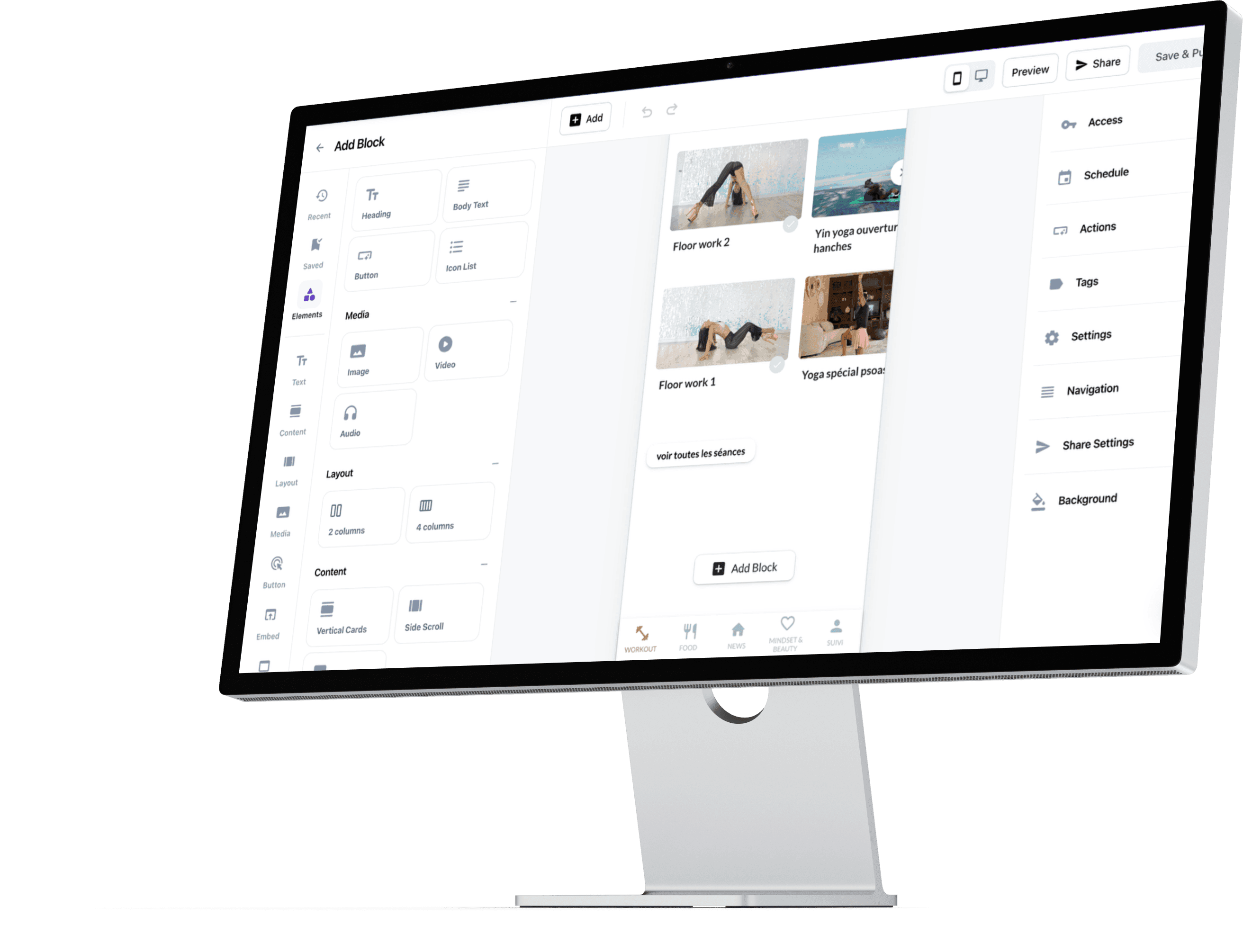
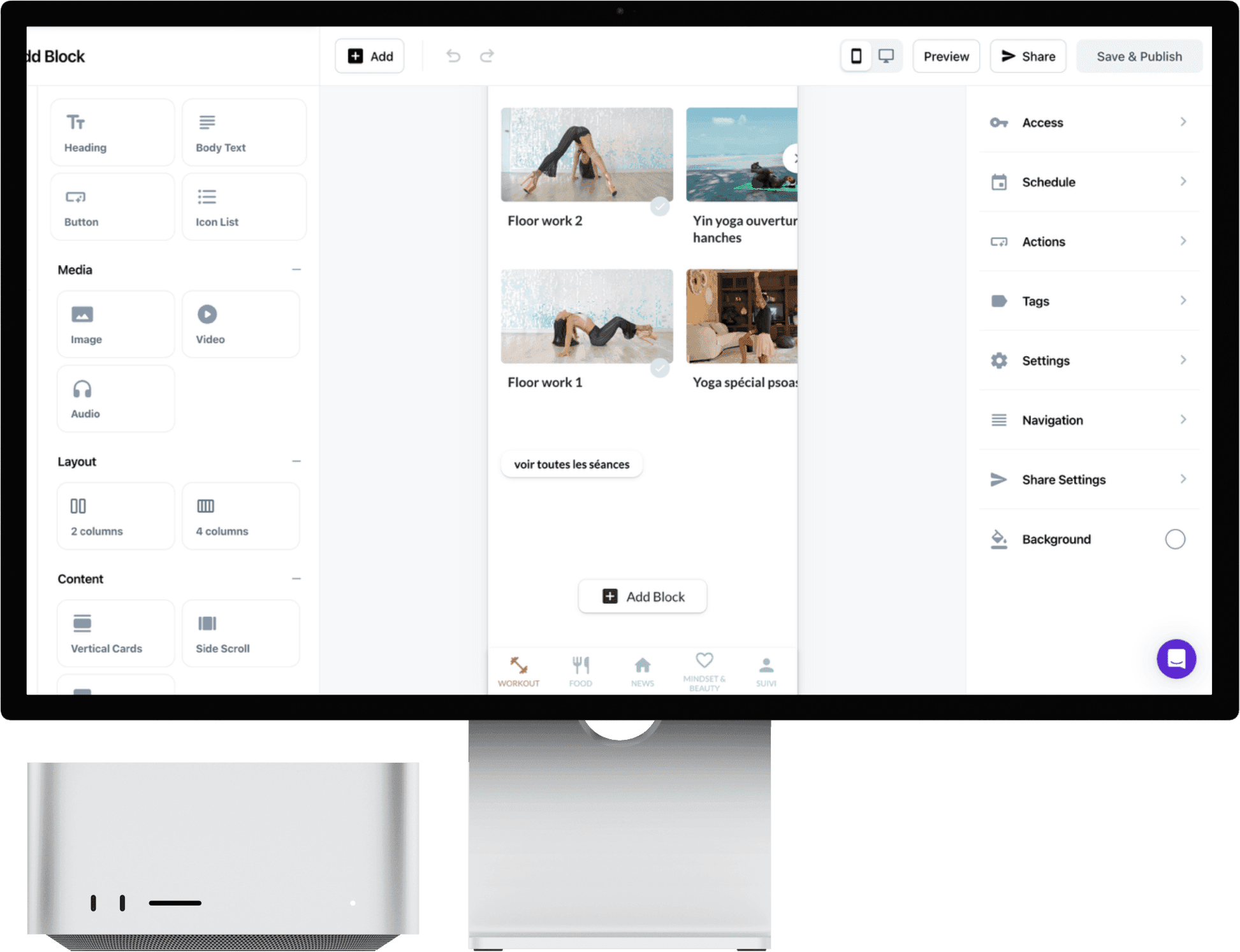
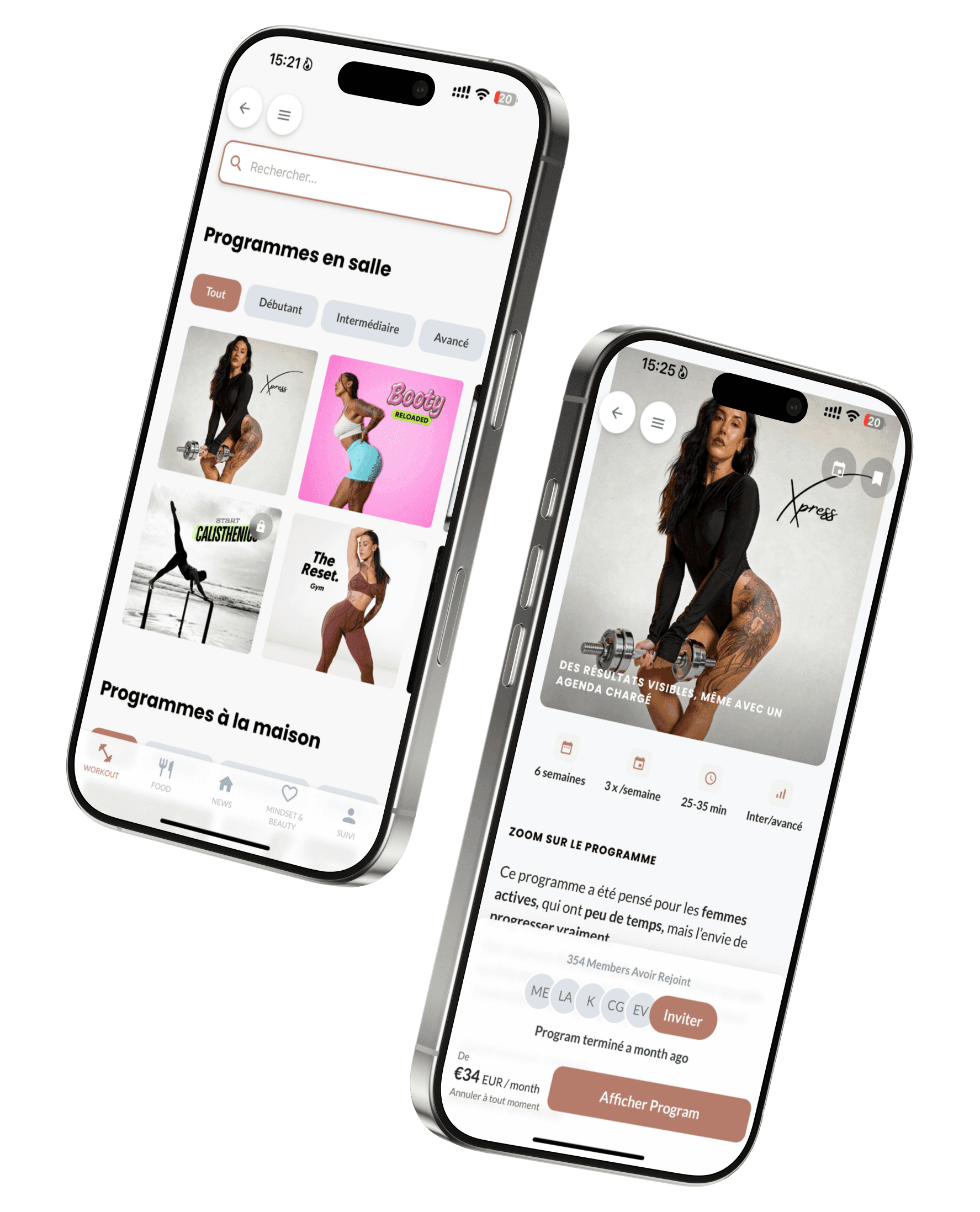
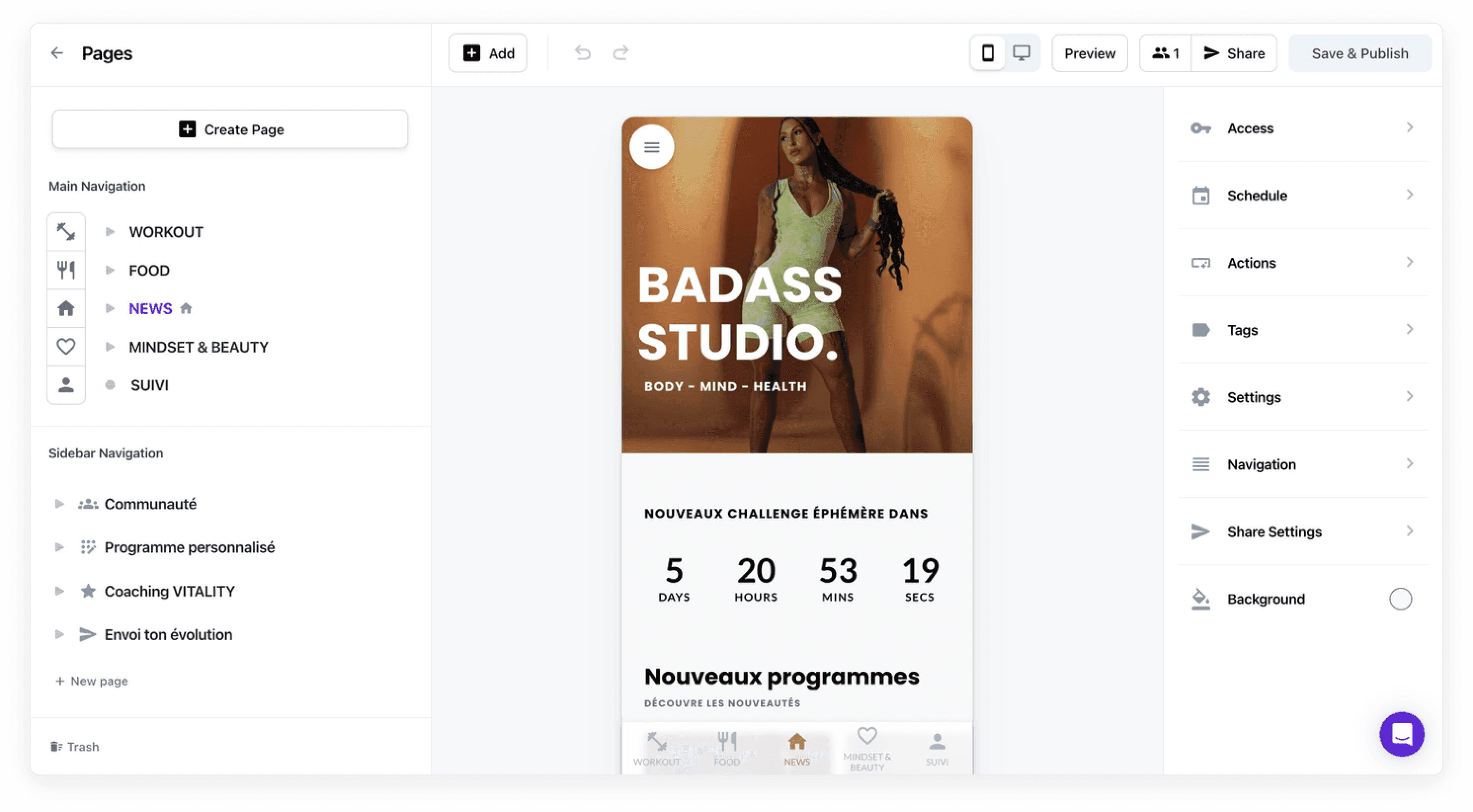
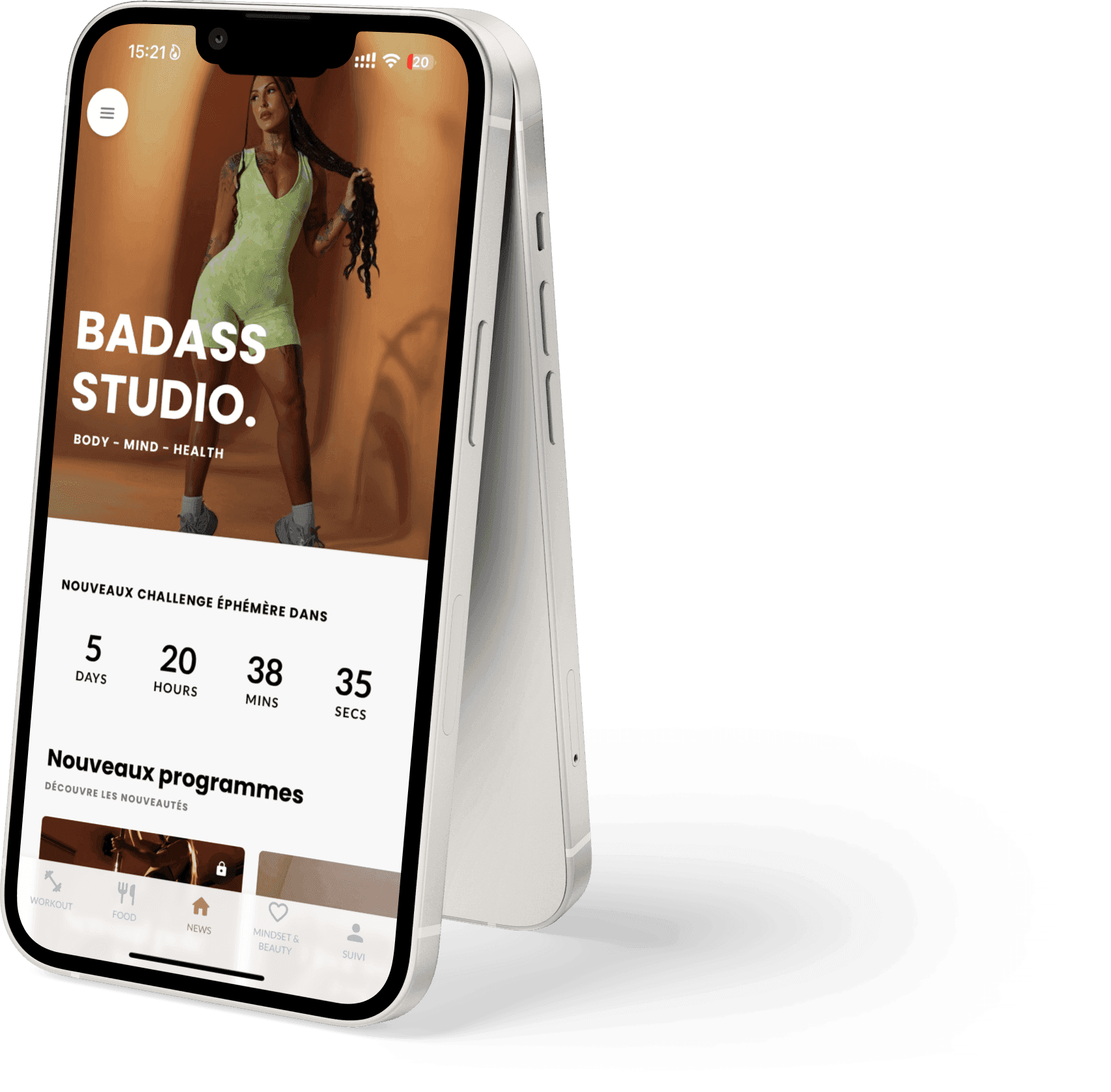
Movement is a no-code app builder platform that empowers creators, coaches, and communities to design and publish fully functional mobile applications, without writing a single line of code. Founded by Samuel Parry, the platform lets users construct their own apps from scratch, manage content and member access, and customize experiences for their audiences. Movement is used globally, spanning fitness coaches, course creators, and community operators who rely on it as the operational core of their digital product.
NUS Technology joined the project as an extended engineering partner, embedded directly into the core development team. What began as an engagement to augment the development capacity has grown into an ongoing collaboration, with NUS engineers handling feature development, platform stability, and continuous improvement across the full product lifecycle.

Name
Movement
Backend
Ruby on Rails
Database
MySQL
Frontend
Vue.js
Infrastructure
DigitalOcean
Industry
SaaS / No-Code App Builder
Market
Global
Integration
Stripe, Google Auth, Firebase, HealthKit, Zapier, Google Analytics, Google Tag Manager, Localazy
 THE CHALLENGES
Unlike SaaS products built on standardized components, Movement is a fully custom CMS and app-building engine. That architectural flexibility is exactly what makes it powerful, and exactly what makes it demanding to maintain.
As Movement's user base grew and use cases diversified, three pressure points emerged that required consistent, expert engineering attention:
A Living System with Constant Edge Cases: Because users can configure and build their own apps within the platform, the range of interactions is effectively unbounded. New feature combinations exposed unexpected behaviors. Bugs surfaced in production as users pushed the platform in ways no staging environment could fully anticipate. The backlog of issues was real and continuous.
Feature Velocity Without Stability Trade-offs: Samuel and the Movement team had a clear product vision and a pipeline of improvements, better UX flows, new content types, deeper integrations, that needed to ship regularly. The risk was letting feature work outpace platform stability, leaving users with a product that gained new capabilities while accumulating unresolved friction.
A Complex Integration Layer: Movement doesn't operate in isolation. The platform orchestrates payments via Stripe, authentication via Google, push notifications through Firebase, multi-language support through Localazy, and workflow automation through Zapier. Each integration added surface area for failure. Keeping these synchronized required engineers who understood both the integrations and the broader system.
 THE SOLUTION
NUS Technology's role was never to deliver a fixed scope and step back. From day one, the engagement was designed for continuity, an engineering team that understood the platform deeply enough to make decisions, not just execute tickets.
With a constant stream of bug reports and feature requests coming from active users, the challenge wasn't identifying what needed to be done, it was sequencing it correctly. NUS worked closely with Samuel to establish a clear prioritization framework: critical production issues were addressed first, followed by user-facing friction points, then feature enhancements. This ensured that stability was never sacrificed for velocity.
Each bug was treated as a signal about the system, not just an isolated fix. When an issue surfaced in one area of the platform, NUS engineers investigated whether the same root cause could produce failures elsewhere, addressing systemic issues rather than symptoms. This approach reduced regression rates and gave the platform more predictable behavior over time.
In parallel with maintenance, NUS shipped a steady cadence of feature improvements, enhanced app templates, refined member management flows, and UX refinements based on user feedback. The goal was to ensure the platform improved visibly for users month over month, not just stayed stable.
Managing Movement's integration layer required more than standard API connections. NUS maintained the full suite of third-party synchronizations, ensuring Stripe subscriptions remained consistent with platform access permissions, that Firebase push notifications delivered reliably across devices and OS versions, and that Zapier workflows connected correctly to Movement's internal data model as the platform evolved. Localazy's i18n layer was also maintained to support Movement's global user base without breaking localized experiences during updates.
 THE RESULT
The ongoing NUS partnership has allowed Movement to grow without the instability that typically follows rapid feature expansion in custom-built platforms.

Within the first six months of collaboration, NUS’s systematic triage and root-cause approach reduced the outstanding bug backlog by 60%, shifting the engineering focus from reactive firefighting to proactive improvement.
Priority-one bugs that previously sat unresolved for days were addressed within hours under the NUS prioritization framework, reducing average critical issue resolution time by 45%.
NUS maintained a consistent delivery pace of over 15 feature enhancements and UX improvements per quarter — including new app templates, content management tools, and member permission flows — without introducing regressions to existing functionality.
Movement’s six third-party integrations: Stripe, Firebase, Google Auth, Zapier, Localazy, and Google Analytics, have been maintained through multiple platform updates without a single integration-caused service disruption.

60% Reduction in Open Bug Backlog
45% Faster Resolution Time for Critical Issues
15+ Features Shipped per Quarter
Zero Integration-Related Outages

For Movement, NUS Technology is not a vendor on a contract, we are the engineering layer that keeps the platform running and moving forward. We hold the institutional knowledge of how the system behaves, what the edge cases are, and how to balance new capability with existing stability. That depth of ownership is what separates an operations partner from a development agency.
 TESTIMONIAL
CEO of Movement Platform PTY LTD
"Movement is a complex platform, and NUS has handled it with efficiency and consistency. They didn't just clear our bug backlog, they looked for why issues kept happening and fixed the root causes. Feature work has been kept at a great pace. It's a partnership that's held up over time."
Get the full story in PDF format, including project details, technical insights, and measurable results you can apply to your own business.


Let’s have a strategic conversation about your goals and how we can achieve results like these for your business.