


How Property Management Companies Automate Guest Check-In
 June 17, 20265 min read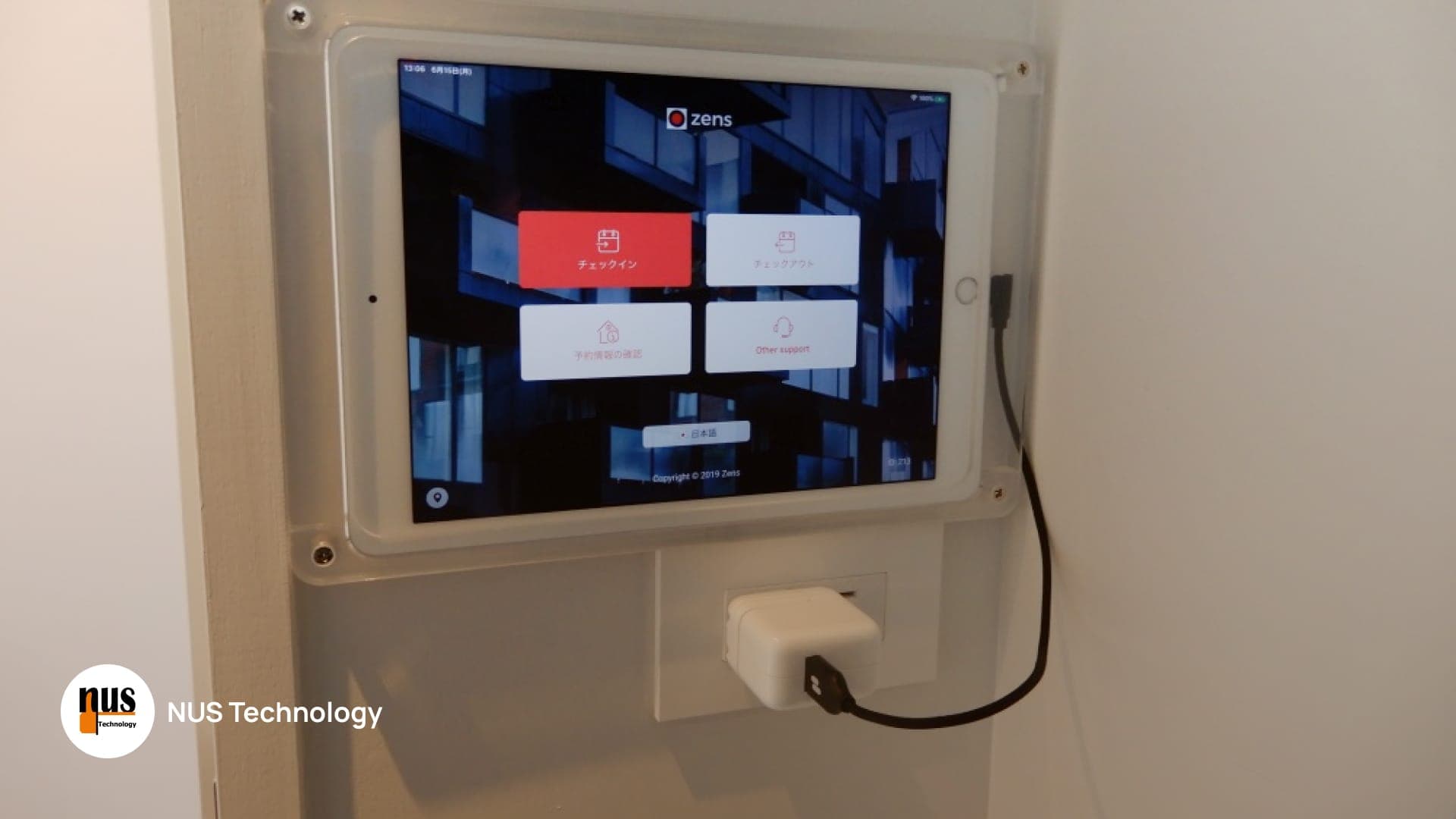
Guest expectations around hospitality check-in have changed dramatically over the last few years.
Travelers increasingly expect:
- self check-in
- digital access codes
- instant instructions
- minimal waiting
- mobile-friendly experiences
For property management companies, automated guest check-in is no longer just a convenience feature. It has become an operational necessity.
But despite how simple automated check-in looks from the guest side, the operational systems behind it are surprisingly complex. A successful check-in workflow depends on booking synchronization, access management, identity verification, cleaner coordination, and real-time operational visibility all working together reliably.
At NUS Technology, we saw this complexity firsthand while building the Zens ecosystem for Unito in Japan. The platform automated the full hospitality workflow, including booking aggregation, guest communication, smart-lock access, cleaner scheduling, and facial-recognition check-in.
You can also explore the full Zens hospitality automation case study to see how the platform handled operational automation at scale.
Automated Check-In Is Really an Operations Coordination Problem
Many people assume automated guest check-in is mostly about installing smart locks.
In practice, the lock itself is only one small part of the system.
A complete automated check-in workflow usually depends on:
- booking synchronization
- guest onboarding
- payment confirmation
- identity verification
- access-code generation
- cleaner scheduling
- operational monitoring
All of these workflows need to stay synchronized in real time.
For example, before a guest receives an access code, the platform may need to verify:
- the booking is confirmed
- the property has been cleaned
- the previous guest has checked out
- payment requirements are completed
- check-in timing is valid
If any one of those workflows fails, the guest experience immediately suffers.
This is why many hospitality businesses struggle as they scale. Manual coordination becomes difficult once operators are managing dozens or hundreds of properties simultaneously.
At NUS Technology, this is one reason we focus heavily on building workflow automation and operational visibility systems instead of isolated hospitality features.
Smart Locks Are Only One Layer of the System
Smart locks are often the most visible part of automated check-in systems.
Modern hospitality platforms commonly integrate with providers like:
- RemoteLock
- Yale
- August
- Salto
- TTLock
These integrations allow platforms to:
- generate temporary access codes
- control access timing
- revoke expired access automatically
- manage multiple properties remotely
In the Zens ecosystem, RemoteLock integrations automatically generated time-sensitive door access codes for guests after booking workflows were validated.
But access control introduces its own operational challenges.
For example:
- what happens if cleaners are still inside the property?
- what if guests arrive early?
- what if bookings are modified last minute?
- what if internet connectivity fails?
- what if access-code synchronization is delayed?
These situations require fallback logic and operational safeguards.
A hospitality platform cannot simply assume ideal conditions all the time. Operational software must be designed around edge cases and exceptions because real-world workflows are unpredictable.
This is one reason why reliable hospitality automation is significantly more difficult than basic SaaS application development.
Guest Communication Must Be Automated Carefully
Another major component of automated check-in is communication.
Modern hospitality platforms typically automate:
- booking confirmations
- check-in instructions
- access-code delivery
- reminder notifications
- support escalation workflows
But timing matters enormously.
Instructions sent too early can create confusion or security risks. Instructions sent too late frustrate guests and increase support requests.
The Zens ecosystem centralized these workflows inside a unified operations platform that coordinated:
- booking status
- check-in timing
- lock access
- cleaning completion
- guest messaging
This reduced manual operational work significantly while also improving guest consistency.
One important lesson from the project was that communication workflows should adapt dynamically based on operational conditions. For example:
- delayed cleanings may require updated check-in instructions
- failed identity verification may trigger manual support workflows
- booking changes may regenerate access credentials automatically
The automation itself is not difficult technically. The difficult part is coordinating workflows safely under changing operational conditions.
Identity Verification Is Becoming Increasingly Important
As self check-in adoption grows, identity verification is becoming more important for both compliance and security reasons.
Many hospitality businesses now need to:
- verify guest identities
- capture registration information
- comply with local regulations
- reduce fraud risks
- maintain property security
The Zens ecosystem addressed this by integrating AWS Rekognition into the guest check-in workflow, enabling facial-recognition check-in at the property entrance.
This created a smoother guest experience while also reducing manual verification overhead for property managers.
However, identity verification introduces additional operational considerations:
- fallback verification methods
- privacy compliance
- failed matching scenarios
- support escalation paths
- guest onboarding UX
This is another reason why hospitality automation projects usually become broader operational platforms over time. Once software begins coordinating real-world operations, workflows inevitably expand beyond simple feature delivery.
At NUS Technology, projects involving operational complexity often evolve into larger operations backbone platforms connecting multiple systems and workflows together.
Reliability Matters More Than Fancy Features
One of the biggest misconceptions about hospitality technology is that innovation alone creates a good guest experience.
In reality, reliability matters far more.
Guests care less about how technically sophisticated the system is and more about whether:
- check-in works smoothly
- instructions arrive correctly
- access codes function immediately
- support is available when needed
As a result, operational reliability became one of the most important engineering priorities inside the Zens ecosystem.
A significant amount of effort went into:
- synchronization monitoring
- retry logic
- workflow visibility
- operational fallback systems
- error recovery mechanisms
The goal was not simply automation. The goal was dependable automation under real-world operational conditions.
This is also why many hospitality businesses eventually outgrow disconnected SaaS tools. Individual tools may work well independently, but operational reliability breaks down when workflows depend on multiple systems communicating together reliably.
That is why centralized complex system integration becomes increasingly important as operational scale grows.
Good Check-In Automation Reduces Operational Chaos
The best automated check-in systems do not just improve guest convenience.
They reduce operational chaos for internal teams.
When workflows are synchronized properly:
- cleaners receive accurate schedules
- support teams handle fewer emergencies
- guests receive consistent communication
- managers gain better operational visibility
- manual coordination overhead decreases significantly
This allows property management teams to scale operations more efficiently without proportionally increasing administrative workload.
The success of hospitality automation is rarely measured by how many features exist. It is measured by whether operations become calmer, more reliable, and easier to manage.
You can see the complete operational architecture and hospitality workflow automation approach in the full Zens platform case study.
FAQ
What is automated guest check-in?
Automated guest check-in allows guests to access properties without manual coordination from staff. It usually involves booking synchronization, smart-lock access, automated messaging, and digital onboarding workflows.
How do property management companies automate access control?
Most platforms integrate with smart-lock providers to generate temporary access codes tied to booking dates and check-in timing automatically.
Why is automated guest check-in difficult?
The challenge is not just generating access codes. Multiple operational systems including bookings, cleaning schedules, identity verification, and guest communication must stay synchronized in real time.
What technologies were used in the Zens ecosystem?
The platform used Ruby on Rails, React, React Native, PostgreSQL, AWS, RemoteLock integrations, Beds24 integrations, and AWS Rekognition for facial-recognition check-in workflows.
Conclusion
Automated guest check-in is far more than a smart-lock feature. It is an operational coordination system connecting bookings, communication, access management, identity verification, and workflow automation together in real time.
The biggest challenge is not building the individual features themselves. It is ensuring the entire operational chain stays synchronized reliably under real-world conditions.
That experience continues shaping how we approach hospitality and operational software at NUS Technology today. If you want to see how those systems work in practice, you can explore the complete Zens case study here.
NUS Team
Share This Article